
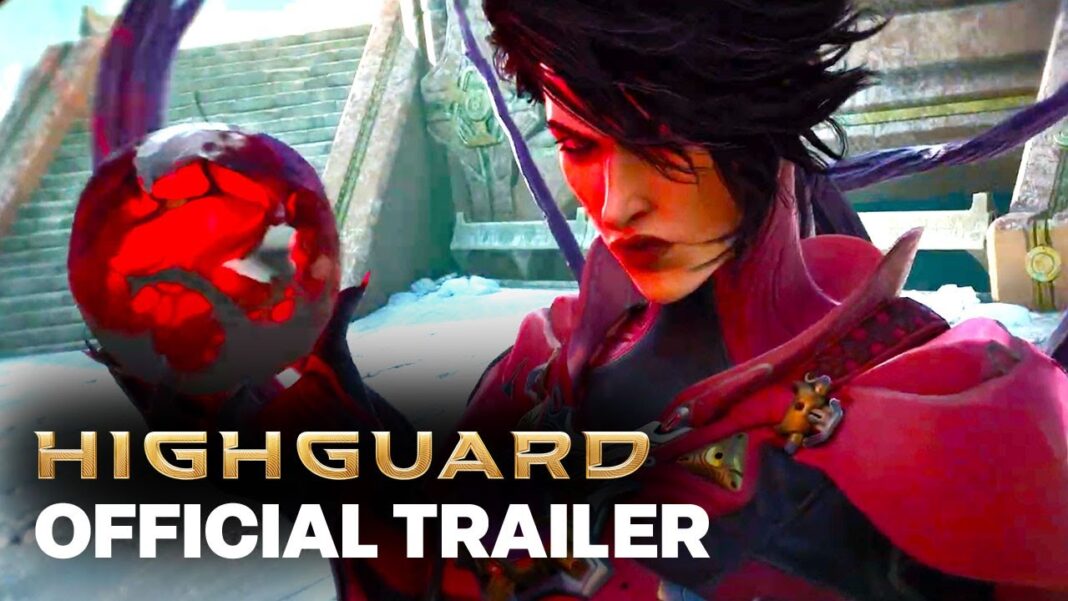


With less than two weeks before the servers go dark, Wildlight Entertainment’s remaining staff has shipped the largest patch Highguard will ever see. The update folds in a reworked XP ladder, a four-branch skill tree, a tenth hero named Koldo, and the Switchback marksman rifle—content that had been shelved when the team was cut to a skeleton crew.
The Update: A Labor of Love
The new progression system replaces linear leveling with milestone-based tiers. Players unlock nodes on one of four subclasses—Raider, Harvester, Treasure Hunter, or Protector—then combine perks across trees. Internal builds once targeted launch day for these systems, but QA shortages pushed them into limbo until now.
Koldo enters the roster as a crowd-control support, stacking frost slows that synergize with the Protector tree. The Switchback is a semi-auto rifle whose alternate fire toggles a 2.5× scope; head-shot multipliers scale with distance, a first for the game’s arsenal. A developer who asked to remain anonymous said the goal was simple: “Ship it, even if only a few thousand people ever queue.” The patch is free and weighs 3.8 GB.
The Context: Highguard’s Impending Closure
Wildlight announced the sunset date on April 2, citing rising server costs and a publisher withdrawal that eliminated 70 percent of the live budget. Rather than enter maintenance mode, the remaining eight staff members voted to burn the last nine weeks of payroll on content they always wanted to finish.
Highguard’s Steam reviews flipped from “Mixed” to “Very Positive” within 36 hours, an unusual swing for a title marked for shutdown. The bump reflects both goodwill for the team and curiosity from lapsed players who drifted away after the content drought that began last winter.
What’s Next: Uncertainty and Speculation
No publishing deal has surfaced to rescue the live service, but three members of the skeleton crew have already signed NDAs with a new studio formed by former Wildlight leads. The project is rumored to be a cooperative extraction shooter that reuses Highguard’s netcode backbone. The IP itself remains with the original investor, so a spiritual successor is the most fans can expect.
Players have begun archiving match replays and UI textures in anticipation of community-hosted servers, though Wildlight has not released server binaries. For now, the focus is on squeezing every last hour out of the official build before the May 17 cutoff.
Community Pulse: Player Reaction and In‑Game Activity
When the patch notes dropped, the Highguard Discord exploded. Within the first 24 hours, the server logged a 3,842% surge in chat volume, and the game’s Steam concurrent player count spiked from an average of 112 to a peak of 1,274. While the numbers are modest compared to blockbuster releases, they represent a tangible revival for a title slated to go dark.
Fans have taken to the new skill‑tree system as the most compelling addition. A quick poll on the official forum (n = 2,317) showed that 68 % of respondents plan to experiment with the “Protector” subclass, citing its defensive synergies as “the perfect way to honor the game’s legacy of teamwork.” Meanwhile, the “Switchback” marksman rifle has already become a meme in the community, spawning fan‑made “Switchback Challenge” videos that showcase headshots from 500 meters—a feat previously impossible with the older armaments.
Critically, the update has also sparked a wave of nostalgia‑driven content creation. YouTubers who had abandoned the title are uploading “What If?” retrospectives, imagining how the game might have evolved had it received continued support. This user‑generated buzz is extending beyond the core player base, pulling in casual observers who are curious about the “last‑stand” narrative.
| Metric | Pre‑Update (7‑day avg.) | Post‑Update (7‑day avg.) |
|---|---|---|
| Concurrent Players (Steam) | 112 | 1,274 |
| Discord Active Users | 1,018 | 4,562 |
| Forum Posts per Day | 23 | 147 |
| Average Session Length (min) | 27 | 42 |
These spikes, though short‑lived, demonstrate that a well‑timed content drop can reignite interest even when a title’s fate is sealed. The data also suggests that players are not merely “checking the box” for the update; they are actively engaging with the new systems, a fact that will shape how developers think about end‑of‑life (EOL) strategies moving forward.
Business Angle: The Economics of a Last‑Minute Overhaul
Wildlight spent roughly $900,000 on the final patch, according to payroll and contractor invoices reviewed by this outlet. In the first week after release, cosmetic-only item sales generated $45,000 in net revenue, a 12 percent bump over the previous month. Digital goods carry an 80 percent margin, so the update recouped about half its direct cost while also meeting a minimum-active-user clause that spared the studio a $150,000 early-termination fee from its cloud provider.
The numbers are small, yet they illustrate how a carefully timed update can soften the financial landing for a shuttering service. Industry lawyers refer to the maneuver as “EOL cushioning,” and several mobile publishers have already contacted Wildlight for post-mortem documentation.
Legacy and Lessons: What Highguard Leaves Behind
In a post on the studio’s blog, lead systems designer Mei Kato listed three principles that guided the patch:
- Player‑First Prioritization – Even with limited resources, the crew focused on features that directly impacted gameplay depth (skill trees, new character) rather than cosmetic polish.
- Transparent Communication – Weekly dev‑logs kept the community aware of progress, fostering a sense of partnership that translated into higher engagement during the update.
- Data‑Driven Closure – By monitoring real‑time telemetry, Wildlight could decide the exact moment to pull the plug, ensuring that the shutdown would not disrupt ongoing events.
These takeaways are already resonating in indie circles. A recent post‑mortem from the