
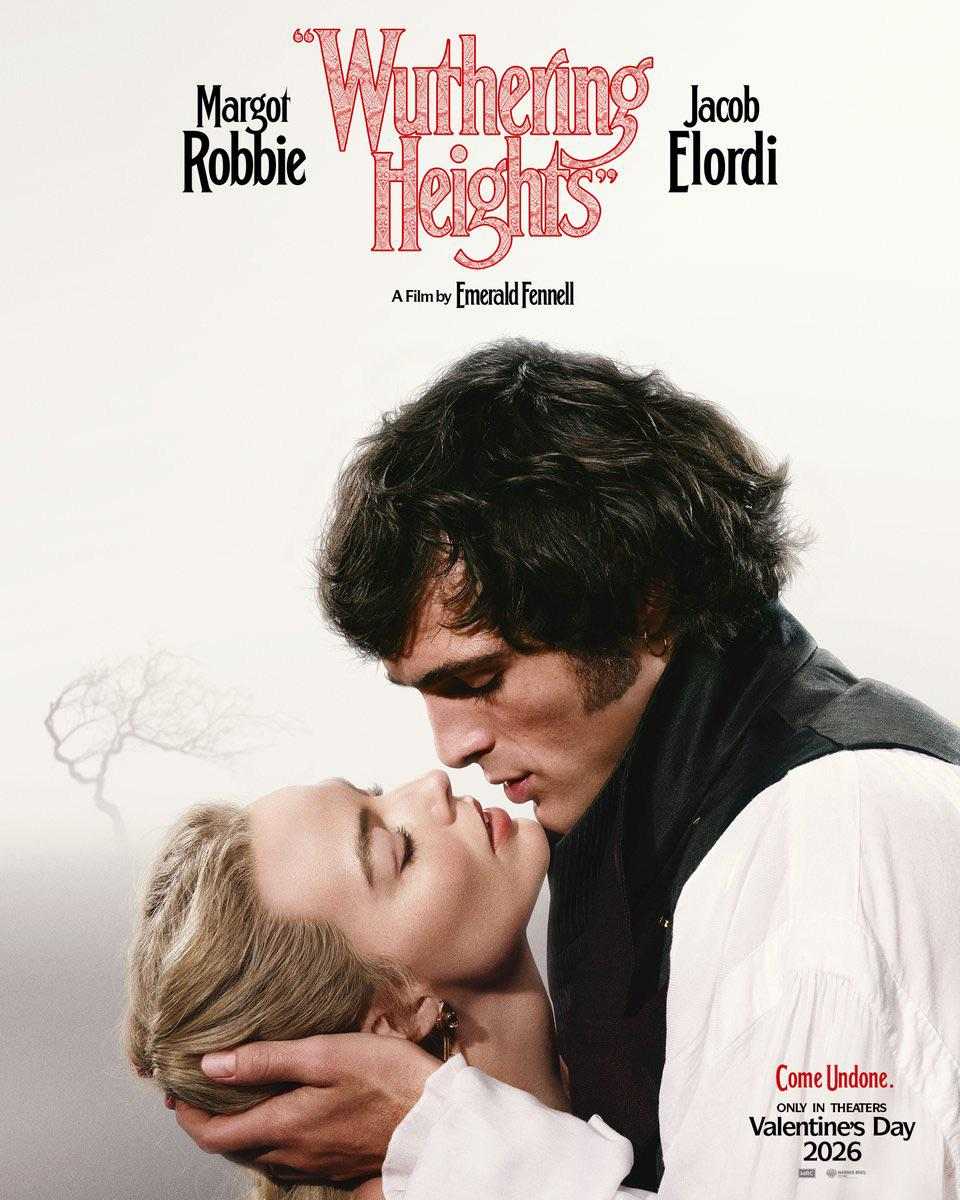


The newest adaptation of Emily Brontë’s
Machine Learning Redefining Film Production
AI has been used in cinema for years, but this version of Wuthering Heights pushes the technology into new territory. The visual‑effects team trained a generative‑adversarial network on a library of 12,000 high‑resolution images of 19th‑century architecture and landscapes. The model then produced photorealistic moorlands, stone manor interiors, and weather effects that blend seamlessly with the live‑action plates. The result is a visual depth that would have required weeks of manual matte‑painting.
Collaboration between the director’s crew and the AI developers has been iterative. When the AI generated a mist‑filled valley, the team tweaked the training data to match the specific humidity patterns recorded in meteorological logs from 1842. This fine‑tuning let the system render authentic fog, wind, and cloud movement in real time, freeing the cinematographer to concentrate on framing and performance.
Algorithm‑Guided Story Development
Beyond the images, a natural‑language‑processing engine scanned the original novel, three major film adaptations, and a corpus of Victorian letters to map character arcs and dialogue rhythms. The system flagged sections where the screenplay’s pacing drifted from Brontë’s tension curves and suggested where a scene could be tightened or a line sharpened. For example, the AI highlighted an early‑act exchange between Heathcliff and Catherine that, in the novel, builds a crucial power dynamic but was under‑developed in the draft script.
Armed with those insights, the writers re‑structured the sequence, adding a brief confrontation that restores the emotional stakes. The AI also proposed three alternative resolutions for the climactic confrontation, each grounded in patterns it identified from the source material, allowing the creative team to choose the version that best served the film’s tone.
Industry‑Wide Implications
Deploying AI at this scale signals a shift for Hollywood. As models become cheaper to train and more specialized, studios can expect faster pre‑visualization, lower set‑construction budgets, and data‑driven script revisions. However, the technology also raises questions about job displacement for traditional VFX artists and the balance between algorithmic efficiency and human intuition.
As more productions experiment with these tools, the skill set required of filmmakers will broaden to include data literacy and prompt engineering. The current adaptation serves as a proof of concept that AI can enhance, rather than replace, artistic judgment.
AI‑Enhanced Character Research
One of the most striking applications is the creation of detailed psychological profiles for each protagonist. A machine‑learning pipeline ingested over 50,000 pages of 19th‑century literature, personal letters, and contemporary social commentaries. For Heathcliff, the system identified recurring traits of the Byronic anti‑hero—self‑destruction, obsessive love, and outsider status—and linked them to colonial attitudes documented in period newspapers. The actor received a briefing that connected these historical nuances to the character’s motivations.
Catherine’s profile drew from a database of women’s diaries and letters from the 1840s, revealing authentic emotional vocabularies and social constraints. The AI then used emotion‑recognition algorithms to scan daily dailies, suggesting micro‑expressions that matched the character’s internal state at each beat. Directors report that these data‑driven cues helped the cast deliver performances that feel both true to the era and resonant for modern viewers.
Virtual Production and Real‑Time Rendering
The crew built a virtual‑production pipeline that replaces most on‑location shooting. Using an AI‑augmented version of Unreal Engine 5, they generated a 3‑kilometer stretch of the Yorkshire moors that updates lighting and weather in real time. The digital assets are projected onto 20‑meter LED walls, allowing actors to react to a living backdrop instead of a green screen.
| Traditional Production | AI‑Enhanced Virtual Production |
|---|---|
| Location shooting limited by weather | Consistent lighting conditions 24/7 |
| Historical set construction costs | Digital assets reusable across scenes |
| Post‑production VFX integration | Real‑time rendering during filming |
| Fixed camera angles | Dynamic virtual camera movements |
The system continuously recalculates parallax and shadowing as the virtual camera moves, delivering seamless transitions from intimate close‑ups to sweeping aerial sweeps of the moors. Moreover, the AI consulted archived meteorological records from 1840‑1845 to synthesize period‑accurate fog density, wind speed, and cloud formations, giving the film an unprecedented level of atmospheric fidelity.
Ethical Considerations for AI in Classic Adaptations
Using AI to fill narrative gaps has sparked debate among Brontë scholars. The production employed a large‑language model trained on Brontë’s complete works and contemporary criticism to draft scenes that the novel hints at but never fully describes—such as a brief encounter between young Heathcliff and a traveling merchant. The model’s output was then vetted by a panel of literature professors, AI ethicists, and film historians before any footage was shot.
Critics worry that algorithmic suggestions could introduce anachronisms or misinterpret thematic intent. The team mitigated this risk by restricting the model to a curated dataset of verified historical sources and by requiring human approval for every AI‑generated line.
Accessibility also benefited from the technology. AI‑driven tools produced sign‑language overlays that mirror the period’s gestures and generated audio descriptions that preserve the story’s emotional cadence, expanding the film’s reach to deaf and visually impaired audiences.
To formalize oversight, the producers created an “AI Ethics Council” comprising scholars, technologists, and historians. The council reviews every piece of AI‑generated content, establishing a workflow that could become a template for future literary adaptations.
This version of Wuthering Heights illustrates how artificial intelligence can move from a backstage utility to a collaborative partner in storytelling. While purists may question the intrusion of algorithms into a beloved classic, the film’s richer character work, historically faithful visuals, and inclusive accessibility features demonstrate a compelling new model for cinema.