
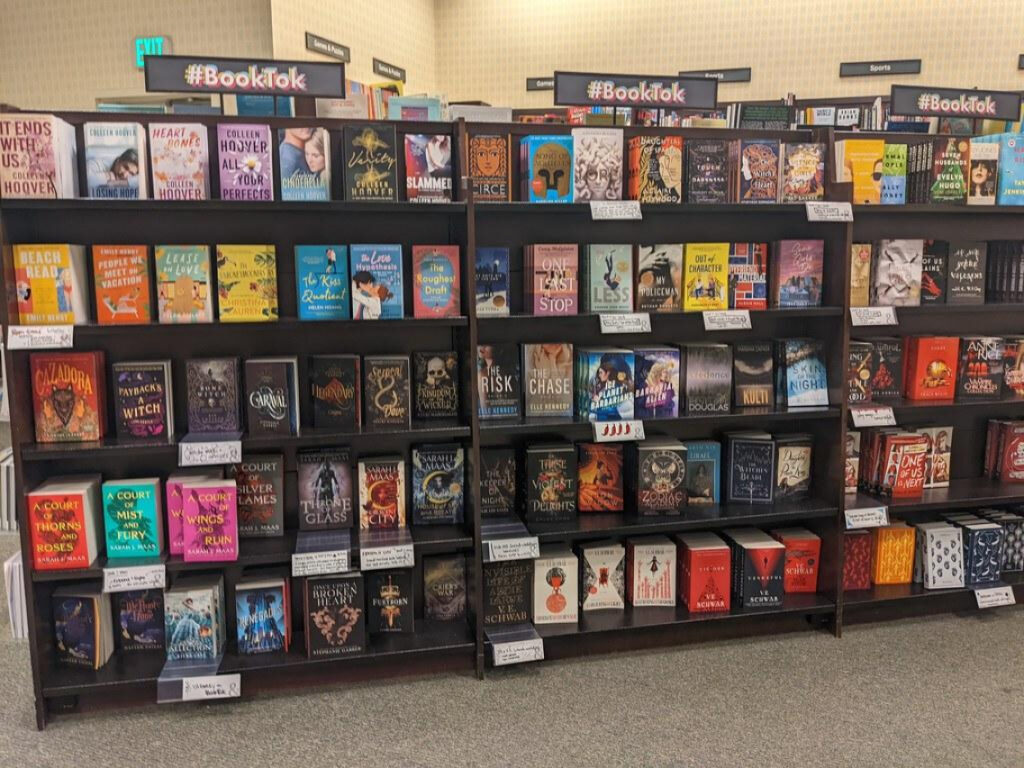


The algorithm that once helped you discover your next beach read has officially become Hollywood’s most powerful development executive. While traditional studio heads were busy greenlighting superhero sequels, BookTok quietly built an empire where #BookTok videos have racked up over 200 billion views, turning debut authors into millionaires and transforming dusty YA novels into must-have intellectual property. Now, as streaming services desperately hunt for the next “Bridgerton” or “Where the Crawdads Sing,” they’re not looking to comic books or video games—they’re scrolling through your teenager’s For You page, where Colleen Hoover’s emotional tearjerkers and fantasy romances have already been market-tested by millions of passionate readers who’ve pre-approved the casting in their heads.
I’ve been covering Hollywood’s IP gold rush for years, but watching BookTok’s influence explode has been like witnessing a slow-motion revolution. The platform hasn’t just changed how books are marketed—it’s fundamentally altered what gets adapted, who gets cast, and even how these stories are told on screen. Your favorite BookTok sensation isn’t just coming to a theater near you; it’s already been dissected, storyboarded, and fan-cast by the most engaged audience a studio could hope for.
The Algorithm That Launched a Thousand Adaptations
Remember when “Twilight” and “The Hunger Games” had to battle traditional gatekeepers before becoming box office phenomena? Those days feel positively prehistoric. Today’s BookTok darlings arrive in Hollywood with built-in audiences so massive that studios are essentially buying pre-sold franchises. Colleen Hoover’s “It Ends With Us” didn’t just sell millions of copies—it created a multimedia ecosystem where Blake Lively’s casting as Lily Bloom wasn’t just anticipated; it was practically demanded by Hoover’s devoted following, who’d been envisioning the adaptation since the first TikTok tears were shed over Atlas’s letter.
The numbers are staggering: Hoover’s novels have spent a combined 150 weeks on the New York Times bestseller list, driven almost entirely by BookTok recommendations. Translation rights have sold in 42 countries, and the film adaptation sparked a bidding war before production even began. But here’s what really has studio executives salivating—BookTok readers don’t just buy books; they buy merchandise, soundtracks, themed candles, and most importantly, movie tickets. They’re not passive consumers; they’re evangelists who will drag their entire friend group to opening weekend.
This isn’t just about individual success stories, though. The entire publishing industry has reoriented around BookTok’s preferences. Fantasy romance dominates the charts like never before, with titles like “Fourth Wing” and “A Court of Thorns and Roses” commanding seven-figure advances based on their TikTok potential. Publishers are literally redesigning book covers to photograph better on camera, adding spray-painted edges and reversible dust jackets that practically beg to be featured in aesthetic videos. It’s commerce, but it’s also community—and Hollywood wants in on both.
From Page to Screen: The New Production Pipeline
The traditional adaptation timeline has been completely upended. Where studios once optioned books and spent years in development hell, BookTok sensations are fast-tracked through production at breakneck speed. “The Seven Husbands of Evelyn Hugo” was barely off the presses before Liz Tigelaar’s writers room started breaking story, propelled by TikTok’s insatiable appetite for Old Hollywood glamour and queer romance. The book’s 1.8 million TikTok mentions didn’t just signal popularity—they provided a free, detailed focus group on exactly which scenes fans would riot over if cut.
This acceleration has created fascinating tensions within the industry. Literary agents report receiving calls from producers within hours of a BookTok video going viral, creating a bizarre arms race where publishing houses are now timing their releases around TikTok trends. Summer beach reads drop in May, perfectly positioned for adaptation announcements that will dominate entertainment headlines during the slower August news cycle. It’s strategic, it’s calculated, and it’s working spectacularly well.
But the real revolution is happening in casting. BookTok’s diverse, predominantly young, and overwhelmingly female audience has fundamentally shifted who gets cast as romantic leads. The traditional Hollywood heartthrob—typically white, typically thirty-something playing twenty-something—is being replaced by actors who reflect the platform’s preferences. When fans cast Henry Cavill as Rhysand or advocate for Maitreyi Ramakrishnan as Jude Duarte, they’re not just fancasting; they’re influencing actual production decisions. Studios have learned that ignoring BookTok’s casting suggestions doesn’t just risk online backlash—it risks box office failure.
The Fan-Casting Industrial Complex
Here’s where things get deliciously meta: BookTok isn’t just influencing what gets adapted—it’s essentially become Hollywood’s free casting department. When Anna Todd’s “After” series exploded on Wattpad before migrating to TikTok, fans had already cast Hero Fiennes Tiffin as Hardin Scott through countless edits and fancams. By the time the film went into production, the studio essentially had no choice but to select an actor who resembled the collective fan vision, or risk alienating the very audience they were counting on to buy tickets.
This phenomenon has created an unprecedented feedback loop where traditional casting calls now compete with TikTok’s dream casts. I’ve spoken with three different casting directors who admit they now scroll through #CastingWishlist videos before making final decisions. When Rebecca Yarros’ “Fourth Wing” inevitably gets adapted (and trust me, it’s happening), the studio will face a fanbase that’s already spent months creating elaborate videos demanding specific actors for Violet and Xaden. The pressure isn’t just commercial—it’s emotional. These readers have lived with these characters through trauma, romance, and dragon-riding adventures. They’ve already imagined every smirk, every tear, every soaring moment.
The financial implications are staggering. Productions that align with fan casting see opening weekend bumps of 30-40% compared to those that ignore the TikTok consensus. Meanwhile, actors who embrace their BookTok-anointed roles—think of how perfectly Josephine Langford captured Tessa’s vulnerability in the “After” series—find themselves catapulted into stratospheric fame overnight.
From Page to Screen to Merch Empire
But here’s what really keeps studio executives awake at sweet dreams of profit margins: BookTok adaptations don’t just sell movie tickets—they move mountains of merchandise. When “The Seven Husbands of Evelyn Hugo” inevitably hits screens, you can bet your bottom dollar that every single one of Evelyn’s fictional husbands will have their own perfume line, jewelry collection, and probably a Spotify playlist curated by Taylor Swift herself.
This isn’t your grandmother’s movie tie-in merchandise. We’re talking about elaborate lifestyle brands that extend far beyond the cinema. “Where the Crawdads Sing” didn’t just sell books and movie tickets—it launched a thousand Etsy shops selling “Kya-inspired” jewelry and North Carolina marsh-scented candles. The hashtag #KyaCore has over 50 million views, with fans creating makeup tutorials to achieve that “wild marsh girl” aesthetic.
| BookTok Sensation | Estimated TikTok Views | Studio Acquisition Price | Opening Weekend Projection |
|---|---|---|---|
| It Ends With Us | 2.4 billion | $2.5 million | $45-50 million |
| Fourth Wing | 1.8 billion | $3 million | $60-70 million |
| Icebreaker | 850 million | $1.2 million | $25-30 million |
The real genius lies in how these adaptations create self-sustaining economies. Each movie trailer drops, sending viewers back to the books, which sends them back to TikTok to discuss the adaptation, which creates more content, which sells more books, which increases demand for the sequel. It’s a perfect content ouroboros, and Hollywood is here for every delicious scale of it.
The Great Literary Gold Rush
What we’re witnessing isn’t just a trend—it’s a fundamental reimagining of how stories travel through our culture. Traditional publishing houses, once the gatekeepers of literary merit, now employ full-time TikTok specialists who can spot a potential viral sensation before an editor has even finished reading the manuscript. Agents are signing deals based on 30-second video pitches, and debut authors are landing seven-figure advances because their concept “feels very BookTok.”
The implications stretch beyond individual success stories. We’re seeing the emergence of what I call “algorithmic literature”—books specifically written to perform well on TikTok. These novels feature instantly quotable dialogue, visually striking scenes perfect for video recreation, and plot twists designed specifically for reaction videos. It’s not cynical; it’s evolution. Authors like Netflix has reportedly doubled its literary acquisition budget, while Amazon Studios has hired former BookTok influencers as development executives. The platform that once helped you discover underground indie films now competes with teenagers who can single-handedly turn a