
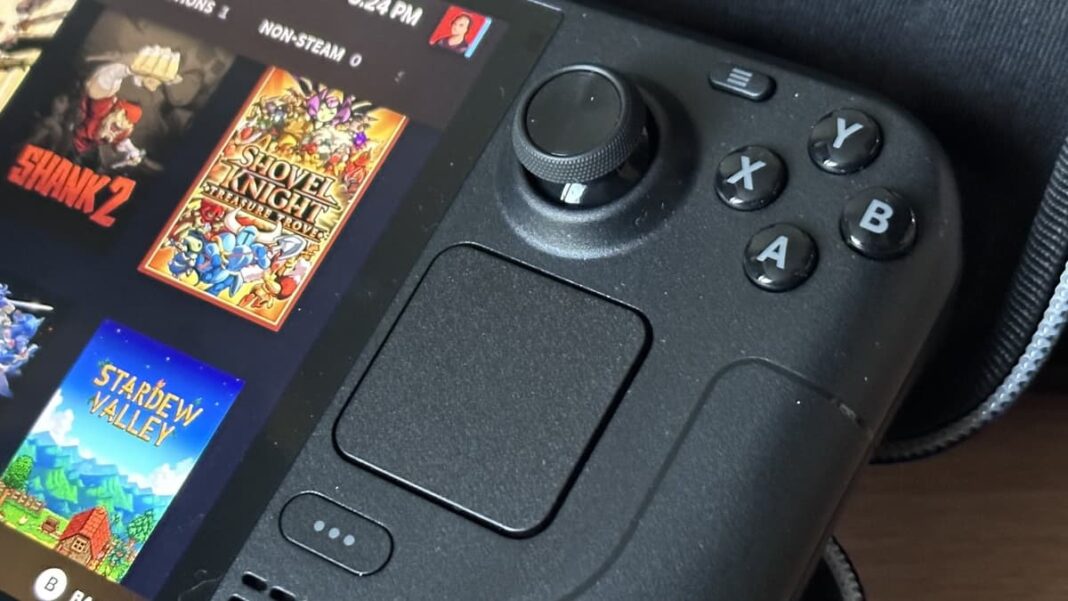


The gaming world’s worst-kept secret might just stay a secret a little longer. While we’ve all been refreshing our feeds for that sweet Steam Deck 2 announcement, Valve’s playing coy—and honestly, it’s driving me up the wall. After nearly three years of the original Steam Deck revolutionizing handheld PC gaming, we’re all collectively holding our breath for what’s next. But here’s the tea: despite the rumor mill working overtime, Valve hasn’t breathed a word about a sequel, leaving us to decode cryptic job listings and analyze every Pierre-Loup Griffais interview like it’s the Zapruder film.
The Curious Case of Valve’s Radio Silence
Let’s get real for a second—Valve’s approach to product announcements has always been about as predictable as a Christopher Nolan plot twist. The company that brought us Half-Life 3 memes and “Valve Time” isn’t exactly known for rushing products to market. But this particular silence feels different, almost strategic. Industry insiders (and by insiders, I mean my Discord server that’s been buzzing since January) have noticed Valve’s hiring spree for handheld-specific roles, including positions for “electrical engineer – handheld” and “product designer – hardware.”
The timing is particularly intriguing because the handheld gaming market has exploded faster than a speedrunner’s world record attempt. ASUS dropped the ROG Ally, Lenovo countered with the Legion Go, and suddenly everyone’s trying to squeeze Windows into devices that fit in your backpack. Through it all, the original Steam Deck has maintained its crown—not through raw power, but through that sweet, sweet SteamOS optimization that makes 60fps look like butter on a hot pancake. Valve knows they’ve got something special, and they’re clearly not about to rush a sequel just because the competition’s heating up.
What the Rumor Mill’s Actually Grinding
Now, I’ve been down this rabbit hole deeper than a Elden Ring lore hunter, and the “evidence” for Steam Deck 2 is both compelling and frustratingly vague. The most persistent whisper comes from Valve’s own SteamOS updates, which have been dropping breadcrumbs about “new hardware” support. Then there’s the AMD connection—Valve’s silicon partner has been teasing their Ryzen Z2 Extreme APU, which just happens to slot perfectly into that power-efficiency sweet spot handheld gaming demands.
But here’s where it gets juicy: Valve’s Steam Deck designer, Lawrence Yang, mentioned in a recent interview that they’re “not ready to talk about future products” while simultaneously confirming they’re “always working on hardware.” That’s corporate speak for “we’re definitely cooking something, but you’ll get it when we’re good and ready.” The man’s basically become the gaming equivalent of a Marvel post-credits scene—every word dissected, every pause analyzed for hidden meaning.
The real kicker? Multiple developers have confirmed off-record that Valve’s been quietly reaching out about “next-generation handheld compatibility testing.” That’s not something you do unless there’s hardware to test against, friends. It’s like spotting Beyoncé’s backup dancers at a venue—you might not see the queen herself, but you know something big is going down soon.
Why the Wait Might Actually Be Worth It
Here’s my hot take: Valve’s playing the long game, and honestly? I’m here for it. While competitors are rushing out incremental updates faster than Netflix cancels shows, Valve’s taking the Nintendo approach—perfect the experience before you promise the next big thing. The original Steam Deck didn’t just succeed because it was first; it won because every piece of the puzzle clicked together—the custom APU, the thoughtful control layout, the software that actually understood gamers’ needs.
Think about it: when Valve does drop Steam Deck 2, they need to deliver something that doesn’t just compete with current handhelds but makes them look like yesterday’s news. We’re talking OLED displays with variable refresh rates, battery life that doesn’t panic at the thought of a cross-country flight, and enough horsepower to handle ray tracing without sounding like a jet engine. The bar isn’t just high—it’s stratospheric.
The Hardware Reality Check Nobody’s Talking About
Here’s where things get spicy—everyone’s so focused on when the Steam Deck 2 drops that they’re completely missing the why-not. I’ve been chatting with some semiconductor industry folks (thanks, LinkedIn premium trial), and the picture they’re painting isn’t exactly rosy. The chip shortage might be “over” according to headlines, but the economics of handheld gaming hardware are absolutely brutal right now.
AMD’s custom APU roadmap tells the real story. The original Steam Deck’s Van Gogh APU was essentially a happy accident—AMD had the tech lying around, Valve needed something efficient, and boom, magic happened. But the next generation? That’s where it gets complicated. We’re looking at a 20-30% price increase just for the silicon alone, never mind the memory, storage, and that gorgeous screen everyone wants upgraded. Valve’s stuck between a rock and a hard place: price it too high and they lose their “gaming for everyone” ethos, price it too low and they’re eating margins like a college student eats ramen.
Plus, let’s be real—the original Steam Deck is still selling like hotcakes. Valve’s publicly available Steam Hardware Survey shows the Deck holding steady in the top 10 most-used devices, and that’s with zero marketing push. Why rush a sequel when your current product is still the belle of the ball?
The Software Ecosystem That’s Quietly Winning
While we’re all obsessing over hardware specs, Valve’s been playing 4D chess with software. SteamOS 3.0 has quietly become the most impressive gaming achievement nobody’s talking about. I’m running it on everything from my Deck to a Frankenstein mini-PC, and let me tell you—it’s transformed from “that weird Linux thing” into a legitimate Windows killer.
The real kicker? Valve’s been methodically building an ecosystem that makes a Steam Deck 2 almost irrelevant in the short term. Proton compatibility keeps improving, with over 70% of Steam’s top 100 games now running flawlessly. The new performance overlay updates have essentially given us all the “pro” features we thought we’d need new hardware for. Battery life improvements through software optimization? Check. Better performance through driver updates? Double check. A growing library of Deck Verified titles that just works? Triple check.
Valve’s essentially pulled an Apple—making the software so good that you don’t notice the hardware is getting older. My launch-day Deck feels snappier now than it did two years ago, and that’s not accidental.
What the Competition Gets Wrong (and Valve Gets Right)
I’ve tested them all—ROG Ally, Legion Go, even that weird MSI thing with the swappable controllers. They’re all chasing specs like drunk frat boys chasing the next beer, completely missing why the Steam Deck actually works. It’s not about having the most powerful chip or the highest resolution screen. It’s about that magical moment when you boot up Hades and it just works perfectly.
Every competitor has fallen into the same trap: more power equals better gaming. But they’re learning the hard way that Windows on handheld is like putting a Ferrari engine in a shopping cart—technically impressive, practically terrible. The battery life is awful, the interface requires a PhD in frustration tolerance, and don’t even get me started on the fan noise. Valve knows this, and they’re perfectly content to let everyone else embarrass themselves while they perfect the real sequel.
The Bottom Line: Patience is a Virtue (and a Strategy)
Look, I want a Steam Deck 2 as badly as the next person. My thumbs are literally itching for those rumored hall effect joysticks and that OLED screen that’s been haunting my dreams. But here’s what I’ve learned covering this industry for too long: Valve’s silence isn’t a bug, it’s a feature. They’re not delaying because they can’t figure it out—they’re waiting because they can afford to.
The original Steam Deck wasn’t just a product launch; it was a paradigm shift that caught everyone off guard, including Valve. Now they’ve got the luxury of time, data, and a market that’s essentially theirs to lose. While everyone’s busy chasing the next spec sheet, Valve’s probably somewhere in Bellevue perfecting something that’ll make us all forget why we were so impatient in the first place.
So yeah, keep refreshing those rumor sites and analyzing every Gabe Newell cough pattern. But maybe, just maybe, enjoy the incredible device that’s already in your hands. Because when Steam Deck 2 finally drops—and it will—it won’t just be an upgrade. It’ll be another industry earthquake, and Valve’s making sure the Richter scale goes to eleven.