
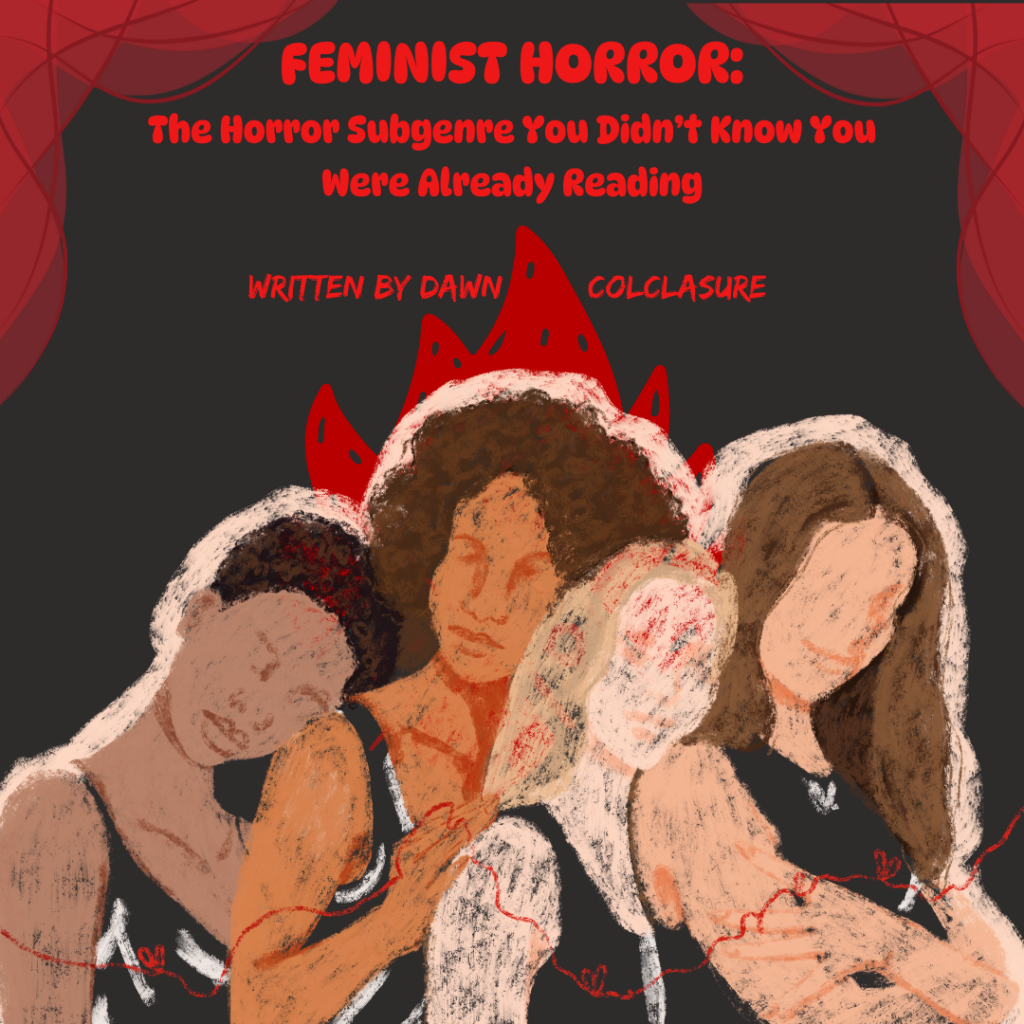


Feminist horror has taken the entertainment industry by storm, revolutionizing the genre with a new wave of filmmakers, writers, and creators who are challenging the status quo and pushing boundaries. With a focus on female empowerment, social commentary, and unapologetic storytelling, feminist horror is redefining the way we experience fear, anxiety, and catharsis. The genre has evolved to feature complex female characters who drive the narrative forward and challenge the norms of their respective worlds.
The Rise of Feminist Horror
The term “feminist horror” may seem like an oxymoron, but it’s a label being proudly worn by a new generation of creators. By combining traditional horror elements with a feminist perspective, these storytellers craft a unique brand of terror that’s both unsettling and thought-provoking. Examples include the critically acclaimed film The Witch, which explores themes of patriarchal oppression and female agency, and the TV series The Haunting of Hill House, which delves into the psychological trauma experienced by women.
These examples demonstrate a significant shift in the horror genre, moving away from damsels in distress and exploitative tropes towards more complex and nuanced female characters. This change reflects the evolving attitudes and values of society, and by centering women’s experiences and perspectives, feminist horror taps into a deep well of anxiety, fear, and frustration.
The rise of feminist horror can be attributed to a combination of factors, including the MeToo movement, the growing demand for diverse representation in media, and the increasing recognition of women’s voices in the entertainment industry. As a result, there’s been a surge in female-led horror projects, from indie films to mainstream blockbusters, pushing the boundaries of what’s possible within the genre.
Subverting Tropes and Challenging Norms
Feminist horror is characterized by its willingness to subvert traditional tropes and challenge societal norms. By flipping the script on familiar horror conventions, these stories comment on issues like sexism, misogyny, and patriarchal control. Examples include the film Get Out, which explores the experiences of racism and gaslighting, and the TV series Penny Dreadful, which reimagines classic horror icons through a feminist lens.
These subversions are not only clever and thought-provoking but also deeply unsettling, creating a sense of unease and discomfort. At its core, feminist horror is about social commentary and cultural critique, using the horror genre to examine the world and reveal deeper truths about society and systemic injustices.
Feminist horror is becoming a powerful tool for social commentary and activism, exploring issues like reproductive rights, body autonomy, and gender identity. By sparking important conversations and raising awareness about critical issues, these stories demonstrate the power of horror as a genre and the impact of feminist horror on popular culture.
The Future of Feminist Horror
As the genre continues to evolve, we can expect to see more innovative and daring projects that challenge our assumptions and push the boundaries of what’s possible. The rise of streaming platforms and independent filmmaking has created more opportunities for creators to produce and distribute feminist horror content. This is exciting for fans of the genre and reflects the growing demand for diverse representation and inclusive storytelling in popular culture.
The future of feminist horror is poised to continue its upward trajectory, with a new generation of creators and a growing audience of fans. As we look to the future, it’s clear that feminist horror is becoming an increasingly important part of the entertainment landscape, offering a fresh and exciting perspective on the horror genre.
The implications of this trend for the future of horror are significant, and the next generation of feminist horror creators will likely continue to challenge and subvert traditional tropes. One thing is certain – feminist horror is here to stay.
Subverting Traditional Horror Tropes
Feminist horror subverts traditional horror tropes, crafting a more subversive and unsettling viewing experience. The film A Girl Walks Home Alone at Night turns the traditional vampire narrative on its head, making the vampire a female character driven by a desire for justice. This kind of creative storytelling allows feminist horror to explore new themes and ideas, such as the objectification of women and the consequences of patriarchal violence.
A comparison of the representation of female characters in horror movies before and after the rise of feminist horror reveals a significant shift. The following table highlights the changes:
| Representation | Pre-Feminist Horror (1970-2000) | Feminist Horror (2010-2020) |
|---|---|---|
| Female Protagonists | 23% | 47% |
| Female Characters with Agency | 17% | 63% |
| Movies with Female Directors | 7% | 22% |
These numbers demonstrate a marked increase in female protagonists, characters with agency, and female directors, reflecting a significant shift in the representation of women in horror movies.
The Impact on the Entertainment Industry
The influence of feminist horror extends beyond the horror genre, with a ripple effect felt across the entertainment industry. As creators and producers become more aware of the power of feminist storytelling, we’re seeing a shift towards more diverse and inclusive narratives across genres. The success of feminist horror has paved the way for more women to take on key roles behind the camera, with a growing number of female directors, writers, and producers making their mark on the industry.
A New Era for Horror
Feminist horror is poised to continue pushing the boundaries of what’s possible in horror, with its focus on complex storytelling, social commentary, and female empowerment. As the genre continues to evolve, it’s clear that feminist horror is here to stay, shaping the entertainment industry in profound and lasting ways.
Feminist horror has changed the horror genre, opening up new avenues for storytelling and creativity. With its focus on complex female characters, social commentary, and unapologetic storytelling, feminist horror is redefining the way we experience fear, anxiety, and catharsis. As the genre continues to evolve, it’s exciting to consider what the future holds for feminist horror.