
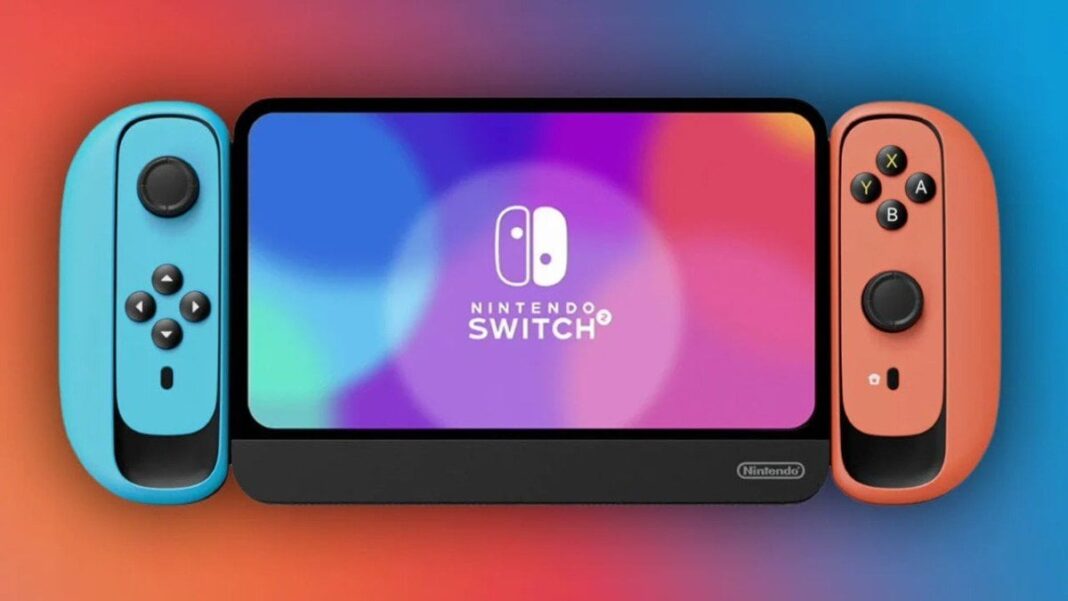


If you’ve spent any time tracking the retail wars of the last two decades, you know that Amazon’s playbook is usually simple: dominate the space, squeeze the margins, and become the unavoidable middleman for every consumer electronic on the planet. But there is one gaming giant that never quite bent the knee. The icy relationship between Nintendo and Amazon isn’t just a corporate spat over shipping fees or display placement; it’s a trench war rooted in a fundamental clash of philosophies. While other publishers scrambled to appease the e-commerce titan, Nintendo chose to play a different game entirely, one that occasionally leaves their most anticipated hardware and software completely absent from the world’s largest digital storefront. To understand why you might struggle to find a pre-order for the next big Nintendo console on Amazon, you have to look back at the era of the Wii, where the seeds of this “bad blood” were first sown.
The Price War Ultimatum
The friction between Kyoto and Seattle didn’t emerge in a vacuum. It traces back to the late 2000s, a period when the Nintendo DS and the Wii were printing money and redefining the gaming landscape. Behind the scenes, the pressure from Amazon was mounting. According to accounts from former Nintendo of America President Reggie Fils-Aimé, Amazon executives weren’t just asking for standard wholesale cooperation; they were demanding that Nintendo provide excessive financial support specifically to help Amazon undercut brick-and-mortar juggernauts like Walmart.
Fils-Aimé didn’t mince words when describing these demands, explicitly labeling them as illegal. In the high-stakes world of retail distribution, there is a fine line between competitive pricing and predatory practices. Nintendo, a company notoriously protective of its brand equity and the perceived value of its intellectual property, wasn’t about to subsidize Amazon’s attempt to crush its competition. By refusing to play ball, Nintendo effectively drew a line in the sand. They weren’t just protecting their margins; they were signaling that their relationship with retailers would be dictated by their own terms, not by Amazon’s aggressive, growth-at-all-costs mandate.
A Pattern of Omissions and Friction
This refusal to capitulate has manifested in a recurring, and often baffling, pattern for consumers. If you’ve ever found yourself staring at a “Currently Unavailable” page for a major first-party Nintendo title, or watched a pre-order disappear into the ether without a clear explanation, you are witnessing the fallout of this long-standing hostility. It’s a tactical game of chicken that has persisted through multiple hardware generations. For Nintendo, the platform’s reach is secondary to the integrity of their pricing structure and the control of their distribution channels.
The conflict has only deepened as the digital marketplace has evolved. A major point of contention centers on how Amazon manages third-party sellers. In the eyes of a company like Nintendo, which exerts almost obsessive control over its ecosystem, Amazon’s tendency to allow third-party vendors to undercut official pricing is a non-starter. It creates a “race to the bottom” that devalues the brand. While Amazon views this as a feature of a free, open marketplace, Nintendo sees it as an erosion of their carefully curated retail environment. This fundamental disagreement is why the platform has, at various times, been devoid of major hardware launches or specific software releases. It is a calculated exclusion—a reminder from Nintendo that they do not need Amazon as much as Amazon would like them to believe.
As we look toward the future, particularly with the industry buzzing about the eventual launch of the Switch 2, the question remains: has the landscape changed enough to force a detente, or are we destined to see another round of platform blackouts? The tension between the two companies is no longer just a footnote in retail history; it is a structural reality that continues to shape how millions of gamers access their favorite titles. The standoff is far from resolved, and the implications for the next wave of hardware are only just beginning to surface.
The Third-Party Marketplace Paradox
The friction isn’t limited to direct wholesale negotiations; it extends deep into the bowels of Amazon’s sprawling third-party marketplace. For a company like Nintendo, which operates with a “premium brand” strategy, the integrity of their pricing is paramount. Nintendo rarely discounts their flagship titles, maintaining a stable MSRP that protects the perceived value of their intellectual property. Amazon, conversely, thrives on an algorithmic pricing model that encourages a race to the bottom, often facilitated by third-party sellers who may be liquidating stock, selling grey-market imports, or utilizing predatory repricing bots.
When Nintendo sees their products listed by unauthorized merchants who undercut official channels, it creates a chaotic ecosystem that undermines Nintendo’s retail partnerships. By allowing these sellers to thrive, Amazon effectively disrupts the controlled environment Nintendo works so hard to curate. This has led to a recurring pattern: Nintendo removes its direct listings, leaving the void to be filled by third-party scalpers or unauthorized resellers. This forces consumers into a frustrating loop where they cannot rely on the “Sold by Amazon” badge, leading to concerns regarding warranty support and product authenticity.
The following table outlines the key differences in philosophy between the two entities regarding retail distribution:
| Feature | Nintendo’s Approach | Amazon’s Approach |
|---|---|---|
| Pricing Strategy | Fixed MSRP to maintain brand value | Dynamic, algorithm-driven price matching |
| Inventory Control | Strict, authorized distribution channels | Open, decentralized marketplace model |
| Brand Positioning | Premium, curated, family-friendly | Everything store, volume-focused |
Hardware Exclusions and the “Pre-order Freeze”
The most visible manifestation of this cold war is the sporadic disappearance of Nintendo hardware from Amazon’s storefront. When a major console launch approaches, industry watchers often hold their breath to see if the “Add to Cart” button will actually appear on Amazon. This isn’t a supply chain failure; it is a tactical blackout. Nintendo has demonstrated a willingness to forgo the massive traffic of the world’s largest e-commerce platform to avoid capitulating to Amazon’s terms.
This exclusion serves as a powerful signal to the rest of the industry. By effectively “de-platforming” themselves from Amazon, Nintendo maintains leverage. They know that gamers will follow the brand wherever it goes—whether that’s to Target, Best Buy, or Nintendo’s own direct-to-consumer online store. It is a testament to the strength of their IP that they can afford to ignore the Amazon juggernaut, a luxury few other tech or gaming companies possess in the modern era.
For further information on the legal and economic frameworks governing retail competition, please refer to the following official resources:
The Future of the Digital Standoff
As we look toward the next generation of hardware, the rift between Kyoto and Seattle shows no signs of healing. If anything, the rise of digital storefronts and the decline of physical media may force this conflict into a new, purely software-driven theater. Nintendo has been aggressively expanding its own digital infrastructure, moving closer to a model where they own the entire customer relationship from discovery to download. By bypassing the middleman entirely, they mitigate the risk of Amazon’s demands ever affecting their bottom line again. For more on this topic, see: What Nintendo’s New President’s First . For more on this topic, see: World’s first 240Hz AR glasses .
Ultimately, this standoff is a rare example of a corporation choosing long-term brand equity over short-term volume. In an industry defined by the “growth at all costs” mentality, Nintendo’s stubbornness is almost refreshing. They are not just selling consoles and cartridges; they are protecting a legacy. While Amazon remains a titan of logistics and convenience, Nintendo has proven that even the most powerful retail platform on Earth is not invincible when faced with a company that values its own independence above all else. The next time you find yourself unable to secure a pre-order on Amazon, remember: it isn’t a glitch in the system. It is a deliberate choice by a company that refuses to let an algorithm dictate the value of its craft. For more on this topic, see: What George R. R. Martin’s .