
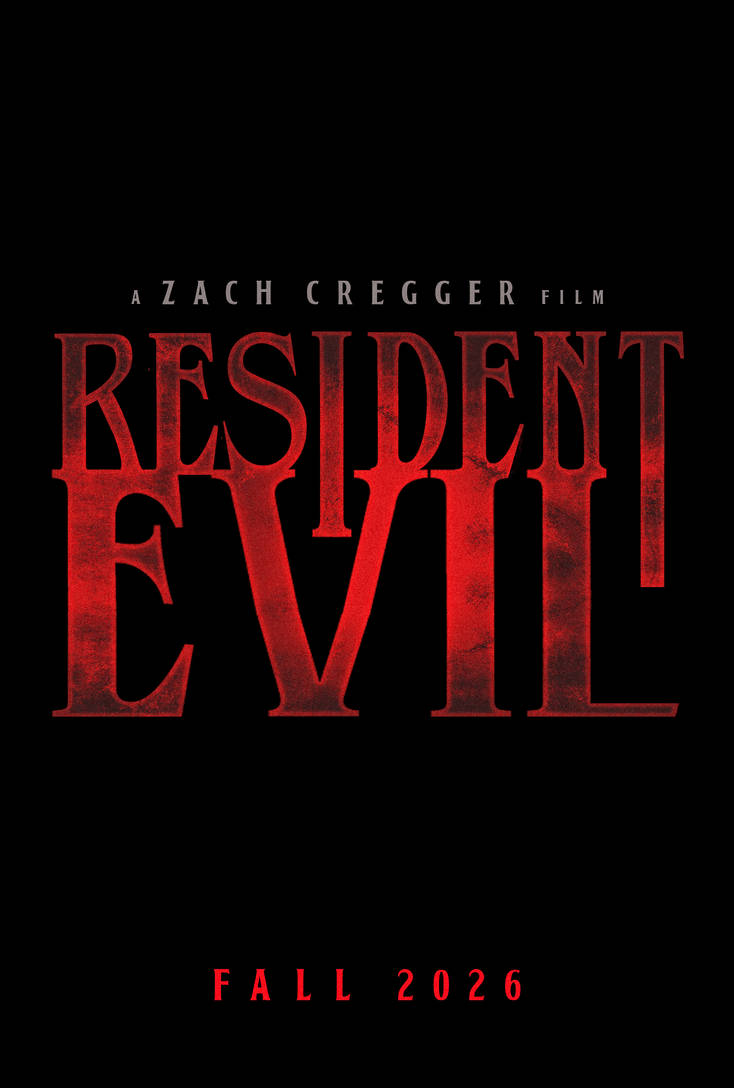


If there’s one thing we’ve learned about the horror landscape over the last few years, it’s that Zach Cregger doesn’t just play by the rules—he tears up the rulebook, sets it on fire, and makes us watch the flames with a cocktail in hand. After the absolute fever dream that was Barbarian, the industry has been waiting with bated breath to see what he’d sink his teeth into next. Well, the wait is over, and the news is as polarizing as it is exciting: Cregger is officially heading to Raccoon City. Yes, we are getting a new Resident Evil film, but if you’re expecting a beat-for-beat recreation of Leon S. Kennedy’s greatest hits, you might want to adjust your expectations right now. Cregger is taking the franchise into his own hands, and frankly, it’s the kind of chaotic energy this cinematic universe has been starving for.
The End of the “Adaptation Trap”
Let’s be real for a second: the history of Resident Evil on the big screen is… complicated. We’ve had the Milla Jovovich-led action spectacles that leaned into high-octane stunts, and we’ve had attempts at more “faithful” adaptations that ultimately felt like they were trying to squeeze a fifty-hour gaming experience into a two-hour runtime. It’s a classic adaptation trap. You either alienate the casuals by getting too bogged down in lore, or you alienate the hardcore fans by cutting out the very things that made the games iconic in the first place.
Cregger seems to have diagnosed this issue with surgical precision. By opting for an original narrative rather than retreading the well-worn paths of the games, he’s effectively side-stepping the comparison game. He’s gone on record saying that trying to translate established storylines—like the legendary arcs of the S.T.A.R.S. team or the Raccoon City outbreak—would feel “redundant.” And honestly? He’s not wrong. When you have source material as beloved as Resident Evil 4 or the original Resident Evil, the games have already perfected those stories. Trying to replicate that magic on screen usually ends in a pale imitation. By choosing to build his own sandbox, Cregger is betting that the vibe of the franchise is more important than the specific plot points.
Embracing the Backlash
There is a certain level of bravery—or perhaps madness—in a director openly admitting that the fanbase might not be “happy” with his creative choices before the cameras even start rolling. We live in an era of fandom gatekeeping where any deviation from the source material is met with a tidal wave of social media vitriol. Cregger knows this, yet he’s choosing to prioritize his own vision over the safety of a “fan-service” checklist. It’s a bold move that suggests we’re getting a Resident Evil movie that actually prioritizes filmmaking craft over corporate brand management. For more on this topic, see: Tales Of Phantasia Cross Edition .
This approach signals a massive shift in how studios are handling major IPs. For years, we’ve seen directors treated like hired guns tasked with maintaining a brand aesthetic. Cregger, however, is coming in with the clout of a director who proved he could turn a low-budget, high-concept horror flick into a cultural phenomenon. If he’s willing to risk the ire of the die-hard base, it’s likely because he has a specific, terrifying vision that requires a blank slate. He isn’t interested in being a curator of a museum; he wants to be the architect of a new nightmare. Whether that nightmare aligns with what fans have been dreaming of for decades is a question that’s currently hanging in the air, creating the kind of pre-release tension that usually only surrounds the biggest tentpole events.
Of course, this raises the million-dollar question: if we aren’t getting the classic characters or the famous plot beats, what exactly is this movie? Cregger’s track record suggests we should expect a masterclass in tension, subverted expectations, and the kind of visceral horror that sticks to your ribs long after the credits roll. But by stripping away the safety net of existing characters, he’s putting the entire weight of the film on the strength of his new, original concept. If he pulls it off, he’ll have successfully revitalized a franchise that many felt had hit a creative dead end. If he doesn’t, well, the internet is going to have a field day.
The Anatomy of Tension: Why Cregger’s Style Fits the T-Virus
If you’ve seen Barbarian, you know that Cregger is a master of the spatial horror experience. He understands that the most terrifying thing in a room isn’t necessarily the monster—it’s the architecture of the space itself. Think back to that basement. The way he manipulated the audience’s perspective, making us feel claustrophobic even in wide shots, is exactly the kind of DNA the Resident Evil franchise has been missing. The games are defined by their claustrophobic environments: the sprawling, labyrinthine Spencer Mansion, the tight, dark corridors of the R.P.D. station, and the oppressive, damp sewers beneath the city.
By bringing his unique brand of “anxiety-inducing” pacing to the table, Cregger is poised to shift the focus from the franchise’s typical reliance on jump scares to a more sustained, psychological dread. In a world where we’ve seen every iteration of a zombie horde imaginable, the real challenge is making the audience feel vulnerable again. Cregger’s approach suggests he isn’t looking to just show us the monsters; he’s looking to trap us in the room with them. He’s swapping the adrenaline-fueled action heroics for a slow-burn, suffocating tension that respects the original survival-horror roots of the series without feeling like a museum exhibit.
| Feature | Traditional Action Adaptations | The Cregger Approach |
|---|---|---|
| Pacing | Rapid-fire, stunt-heavy | Slow-burn, rhythmic tension |
| Focus | Lore-heavy, character cameos | Atmospheric, environmental dread |
| Perspective | External, spectacle-driven | Internal, character-centric claustrophobia |
Bridging the Gap: Lore vs. Atmosphere
There is a persistent, nagging question that haunts every director stepping into a massive IP: how much do you owe the canon? It’s a delicate dance. If you strip away the Umbrella Corporation’s corporate greed or the bio-organic weapon (B.O.W.) experiments, you aren’t making a Resident Evil movie—you’re just making a generic creature feature. However, if you spend too much time explaining the T-Virus and the intricate family tree of the Ashford siblings, the movie grinds to a halt. For more on this topic, see: What Google’s Sneaky Icon Size .
Cregger seems to be taking a “vibe-first” approach. He’s focusing on the thematic core of the series—the intersection of corporate hubris and biological nightmare—rather than the specific, granular details that fans debate on message boards. This is the smartest move he could possibly make. By leaning into the atmosphere, he allows the audience to project their own knowledge of the games onto the screen, filling in the gaps with their own experiences. It’s a collaborative horror experience. He’s not telling you what to think about the lore; he’s inviting you to feel the same dread that the original players felt when they first stepped into that mansion foyer in 1996. For more background on the franchise’s evolution, you can check the official history of the series or explore the corporate origins at the official Capcom website. For more on this topic, see: Breaking: Super Mario Galaxy Movie .
The Verdict: A Necessary Evolution
Let’s be honest: the Resident Evil movie franchise was in a state of stagnation. It had become a self-referential loop, constantly trying to recapture the magic of the early 2000s. Cregger’s appointment is a signal from the studio that they are ready to pivot. They aren’t looking for a safe bet; they’re looking for a cinematic reinvention. While the purists might balk at the lack of iconic characters, they should consider what happens when a franchise refuses to change: it dies.
Cregger is bringing a level of auteur-driven vision that is rare for a property of this size. He’s not here to be a custodian of a legacy; he’s here to perform an autopsy on it and build something new from the parts. Whether or not it works, it’s going to be the most interesting conversation in horror for the next two years. I, for one, am ready to see him burn the mansion down and start from scratch. If you’re a fan of the genre, it’s time to stop worrying about the source material and start getting excited about the potential for a truly terrifying, modern horror experience. Stay tuned—because if this goes well, the entire landscape of game-to-film adaptations is about to change forever.