
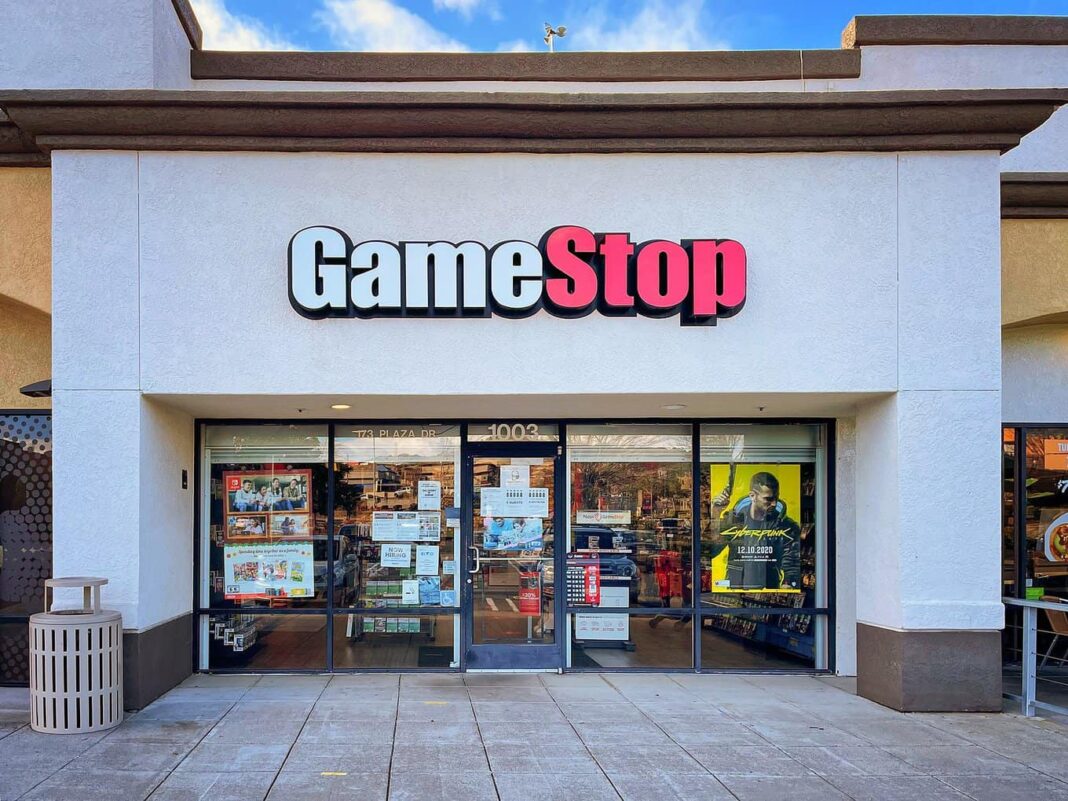


If you thought the GameStop saga ended with a bunch of Redditors in pajamas shaking up the stock market, you’ve clearly been sleeping on the company’s pivot. While the rest of the world was busy tracking meme-stock volatility, the retail giant was quietly pulling a move that would make a chess grandmaster blush. Rumors have been swirling for months, but the reality is finally sinking in: GameStop has been funneling resources into a strategic, somewhat shadow-play investment in eBay, and it’s not just a portfolio diversification—it’s a total reimagining of how we buy, sell, and trade in the digital age.
The Pivot Nobody Saw Coming
Let’s be real: for a long time, the narrative around GameStop was that it was a dying brick-and-mortar relic fighting against the inevitable tide of digital downloads. But the leadership team under Ryan Cohen hasn’t just been sitting on their hands. By quietly building a stake in eBay, GameStop is tapping into the ultimate resale ecosystem. It’s a brilliant, if slightly unorthodox, play. They aren’t just trying to sell new consoles anymore; they are positioning themselves to dominate the secondary market, which, let’s face it, is where the real cultural currency lives right now.
This isn’t just about buying and selling used games; it’s about the infrastructure of circular commerce. eBay has spent decades perfecting the logistics of peer-to-peer marketplaces, and GameStop has the physical footprint and the brand loyalty of a generation that grew up trading in their old titles for store credit. By aligning these two giants, we’re looking at a potential integration of physical “drop-off” points and digital storefronts that could streamline the entire experience of flipping everything from retro consoles to high-end collectibles. It’s the kind of synergy that makes industry analysts scratch their heads and retail competitors sweat.
Data, Logistics, and the Future of Collectibles
What makes this move so fascinating—and frankly, a bit genius—is the data play. GameStop has spent years gathering insights on what gamers value, what they’re willing to trade, and how they perceive asset liquidity. By plugging that into eBay’s massive, global engine, they gain access to a treasure trove of consumer behavior patterns. We’re talking about a level of market intelligence that allows them to predict trends in the hobbyist space before they even hit the mainstream. If you’ve noticed a sudden surge in the value of vintage Pokémon cards or limited-edition controllers, you’re seeing the ripples of this kind of market alignment.
From a logistical standpoint, the implications are massive. Imagine a world where you list a vintage game on eBay and drop it off at your local GameStop for authentication and shipping, or where you can instantly convert your eBay credit into a trade-in value at a physical store. It bridges the gap between the convenience of an app and the tactile satisfaction of a retail experience. It’s a hybrid retail model that effectively hedges against the volatility of the new-game market. While other retailers are struggling to keep their shelves stocked, GameStop is building a bridge to a permanent, secondary market that never closes and never goes out of style.
This isn’t just a corporate merger of convenience; it’s a fundamental shift in how retail startups and legacy brands need to view their ecosystem. The old-school method of “buy from a distributor, sell to a customer” is rapidly losing its luster. Today, the power is in the community-led marketplace. By leveraging eBay’s infrastructure, GameStop is essentially turning its retail locations into the physical hubs of an online empire, effectively turning their store managers into curators of a massive, decentralized inventory. It’s a bold gamble that prioritizes user-generated value over the traditional, top-down retail approach, and honestly? It’s exactly the kind of disruption that keeps the entertainment beat so incredibly addictive. For more on this topic, see: HP Just Erased Its Name .
The Logistics of the “Phygital” Revolution
We need to talk about the physical reality of this move. For years, the biggest friction point in the secondary market—whether you’re selling a rare Pokémon card or a vintage GameCube—has been the shipping process. It’s the “last mile” problem that haunts every casual seller. By leveraging GameStop’s thousands of storefronts as potential eBay drop-off or authentication hubs, the company is effectively turning its retail footprint into a logistics powerhouse. This isn’t just about moving inventory; it’s about creating a hybrid commerce model—often dubbed “phygital”—where the digital convenience of eBay meets the tangible trust of a physical store. For more on this topic, see: What George R. R. Martin’s .
This integration could solve the “trust gap” that currently plagues online marketplaces. If you’re buying a high-value collector’s item on eBay, you’re often crossing your fingers, hoping the condition matches the photos. If GameStop stores become certified verification centers, they provide an immediate layer of consumer protection that pure-play e-commerce sites can’t touch. This creates a closed-loop system: you trade in your old gear at a GameStop, and it’s instantly listed on eBay with a “Verified by GameStop” badge. It’s a masterclass in operational efficiency that turns store employees into curators and authenticators.
| Feature | Traditional Resale | GameStop x eBay Model |
|---|---|---|
| Trust/Verification | Buyer beware | In-store physical authentication |
| Logistics | Slow, DIY shipping | Retail-integrated drop-offs |
| Market Reach | Fragmented | Global eBay scale |
| Speed of Payout | Days/Weeks | Instant store credit or digital wallet |
Data, Loyalty, and the New Retail Currency
Beyond the logistics, this is a massive data play. GameStop has spent decades cultivating a database of the most passionate hobbyists on the planet—the PowerUp Rewards members. By tapping into eBay’s massive traffic, GameStop isn’t just acquiring customers; they are acquiring the intent data of millions of collectors who aren’t currently in their ecosystem. They’re mapping out what people are searching for, what they’re willing to pay, and how often they flip their collections.
When you combine GameStop’s niche expertise with eBay’s sheer volume, you get a predictive engine that could dictate the pricing of the entire retro-gaming and collectible market. This is the new retail currency: actionable consumer insights. They aren’t just selling consoles; they’re selling the ability to predict the next “must-have” item before it even trends on social media. For more on how digital marketplaces are evolving, you can look into the Google Phone Just Quietly Shrunk .