
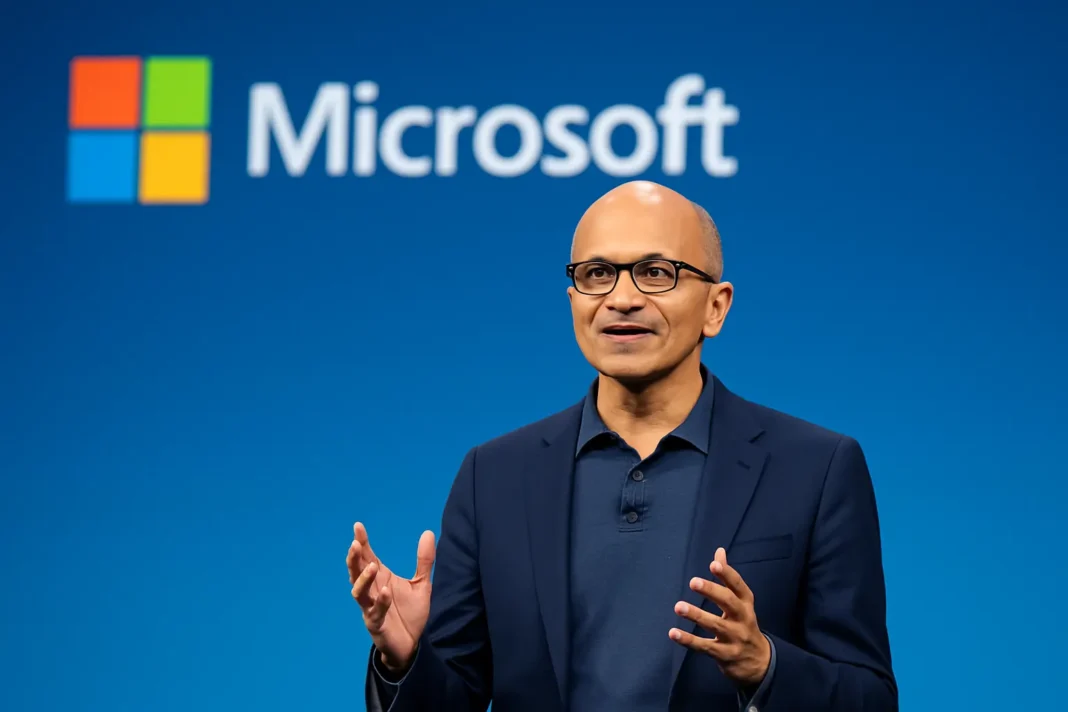


There is a specific kind of silence that falls over a community when they feel they’ve been forgotten. It’s not an absence of noise—the forums, the subreddits, and the social media feeds are still screaming—but a chilling, collective realization that the people steering the ship might be looking at a different horizon entirely. For years, the Xbox faithful felt that exact chill. They watched as the brand they’d championed through console generations seemed to dissolve into a nebulous cloud of services, cross-platform experiments, and a “play anywhere” philosophy that, while technically impressive, left the soul of the console experience feeling a bit frayed at the edges. But lately, the air in Redmond has changed. Satya Nadella, the man who steered Microsoft into the stratosphere of cloud computing, has finally looked down from the data centers to see who is actually holding the controllers.
The Pivot Back to the Living Room
For a long time, the strategy felt like a high-speed chase toward a future that hadn’t quite arrived yet. Microsoft was obsessed with the “This is Xbox” mantra—a grand, inclusive vision where the hardware was merely an entry point to a sprawling ecosystem. It was logical, it was modern, and it was deeply alienating to the person who just wanted to sit on their couch, click a button, and lose themselves in a story without worrying about cloud latency or subscription tiers. The backlash wasn’t just noise; it was a desperate plea for identity. Users didn’t want to be part of a “platform-agnostic ecosystem”; they wanted to be gamers with a home base.
Now, the shift is palpable. Nadella’s new directive isn’t just a corporate pivot; it’s an admission that you can’t build a future if you burn the bridge to your present. The company is actively retreating from the experimental sprawl that characterized the last few years, choosing instead to double down on fundamentals. This means shifting the focus back to the box under the TV. By prioritizing the core Xbox audience, Microsoft is effectively acknowledging that while the cloud is the future, the console is the heartbeat. It’s a return to the basics: quality, performance, and the simple, tactile joy of a dedicated gaming machine.
Listening to the Pulse of the Player
The most fascinating aspect of this turnaround is how it manifests in the cold, hard reality of business policy. We’ve seen the recent, often controversial, adjustments to Game Pass pricing and the quiet but steady recalibration of how Microsoft handles platform exclusives. These aren’t just spreadsheet updates; they are reactive, human-centric decisions. When a community pushes back against a subscription model that feels like it’s losing its value, or when they clamor for the prestige of a console-locked title, they are essentially demanding a seat at the boardroom table. And for the first time in a long time, it feels like they’ve been granted one.
This “console-first” messaging isn’t just a marketing slogan—it’s a tactical retreat from the idea that everything can, or should, be everywhere at once. It’s an attempt to rebuild trust by showing that Microsoft understands the specific needs of its most loyal consumers. By narrowing the scope, they are amplifying the impact. They aren’t just selling a service anymore; they are trying to reclaim the status of a guardian of the gaming experience. It’s a delicate balancing act, trying to maintain the reach of a global tech giant while catering to the niche, passionate demands of a gaming community that has been burned before. But as the data begins to reflect these changes, one thing is clear: the era of “experimentation at any cost” is being replaced by an era of “engagement through accountability.”
Yet, as we peel back the layers of this strategy, we have to ask ourselves: is this a genuine change of heart, or simply a calculated move to stabilize the ship before the next big storm? The tension between the bottom line and the player’s experience has always been the defining struggle of the industry. As Microsoft leans into this “fundamentals” approach, the real test will be whether they can sustain this focus when the pressure to innovate once again clashes with the desire to keep things simple. We are watching a corporate giant attempt to shrink itself down to the size of a living room, and the implications of that shift are only just beginning to ripple outward.
The return to the living room isn’t just about hardware; it is about the restoration of trust. When a brand treats its most loyal supporters as data points in an “ecosystem expansion” model, that trust erodes. Nadella’s current strategy recognizes that the most valuable asset in the gaming industry isn’t the cloud server or the monthly recurring revenue—it’s the emotional investment of the player. By pivoting back to a console-first messaging strategy, Microsoft is essentially saying: We see you, and we understand why you stayed.
The Economics of Belonging: Why Quality Outweighs Ubiquity
For several years, the prevailing wisdom in the tech sector was that ubiquity was the only path to survival. The goal was to be everywhere—on your phone, your tablet, your PC, and your television. While this “ubiquity-first” approach served shareholders well, it created a diluted user experience. The recent adjustments to Game Pass and the recalibration of exclusive titles suggest that Microsoft is moving away from the “growth at all costs” mentality toward a “value-driven engagement” model. For more on this topic, see: What George R. R. Martin’s .
The following table illustrates the shift in strategic focus that defines this new era under Nadella’s guidance:
| Strategic Pillar | Previous Approach (2018-2022) | New Focus (2024-Present) |
|---|---|---|
| Core Audience | Broad “Gamers Everywhere” | Dedicated Console Enthusiasts |
| Platform Identity | Cloud-first & Agnostic | Hardware-anchored Ecosystem |
| Growth Metric | Total Subscriber Volume | Engagement & Retention Quality |
This isn’t just a corporate reshuffling; it is a fundamental shift in how the company defines success. By prioritizing the quality of the console experience, Microsoft is acknowledging that for many, gaming is not a utility—it is an identity. Providing a stable, high-performance home for that identity is worth more than a million casual subscribers who treat the service like a disposable commodity. For more on this topic, see: What Fallout’s Mysterious Countdown Reveals .
Beyond the Console: The Human Element of Tech
There is a lesson here for the broader technology industry, one that goes far beyond the walls of Redmond. We are currently living through an era of extreme digital noise, where algorithms and automated services often replace the human touch. When a company as large as Microsoft decides to slow down, listen to the forums, and pivot based on the emotional needs of its users, it serves as a powerful reminder that technology should serve the user, not the other way around.
To understand the depth of this commitment, one can look at the official documentation regarding the company’s corporate values and mission, which emphasizes empowering every person and organization to achieve more. When applied to gaming, this “empowerment” is no longer about forcing a cloud-based future; it is about respecting the player’s choice to own their hardware and enjoy their games on their own terms. Furthermore, the company’s ongoing community engagement initiatives provide a transparent look at how feedback loops are being integrated into their development pipelines, ensuring that the “silent period” of the past remains firmly in the rearview mirror. For more on this topic, see: What Nintendo’s New President’s First .
For those interested in the broader landscape of how these hardware and software services integrate, the official Xbox history and development documentation offers a fascinating look at how the brand has navigated these cycles of change for over two decades. It is a reminder that the “console war” was never really about specs or teraflops; it was about the stories we tell and the communities we build around the screen.
The Path Forward: A Human-Centric Horizon
As I watch this shift unfold, I am struck by the realization that we are witnessing a rare moment of corporate humility. It is easy to chart a course for the future when you are fueled by venture capital and hubris; it is infinitely harder to turn the ship around when you realize you’ve drifted too far from your port. Satya Nadella’s strategy is not a retreat—it is a reconnection. It is a recognition that the most sophisticated AI or the most robust cloud infrastructure in the world is meaningless if it lacks the soul of a community that feels heard.
Moving forward, the success of this strategy will not be measured by the number of new markets entered or the complexity of the backend architecture. It will be measured by the silence—or rather, the absence of that chilling, alienated silence—in the forums. When the players feel like partners in the journey rather than customers in a funnel, the brand thrives. Microsoft is finally learning that if you want to build a future, you must first earn the right to belong in the present. The controllers are back in our hands, and for the first time in a long time, it feels like we’re playing the same game as the people who made it.