
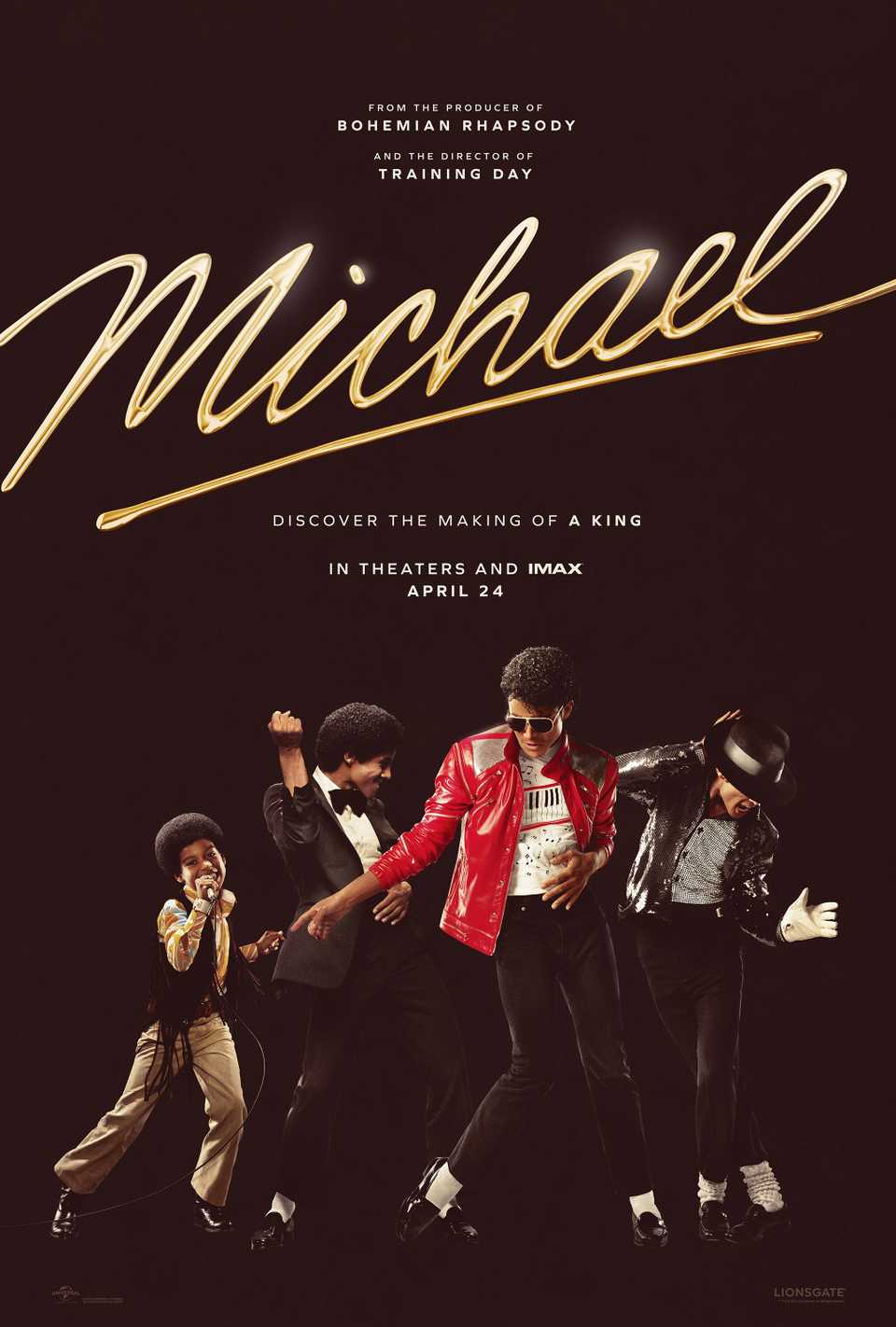


In the high-stakes ecosystem of modern cinema, where tentpole franchises are increasingly struggling to justify their astronomical production budgets, the recent performance of the Michael Jackson biopic, Michael, is nothing short of a digital-age anomaly. We’re looking at a $300 million global milestone that has effectively rewritten the playbook for how we quantify success in the genre. For those of us who track the intersection of legacy media and modern distribution, this isn’t just about box office receipts; it’s a masterclass in leveraging a massive, pre-existing data set—the King of Pop’s catalog—and translating it into a high-fidelity cinematic experience that resonates across fragmented global demographics.
The Architecture of a $300 Million Blockbuster
When we peel back the layers of this financial performance, we have to talk about the production pipeline. Unlike the standard biographical drama that relies on indie-film sensibilities, Michael utilized a scale of technical precision usually reserved for sci-fi epics. By integrating high-end visual effects (VFX) and archival audio restoration that borders on the uncanny, the studio didn’t just make a movie; they engineered a sensory product. This is the new standard for legacy biopics: the audience no longer wants a mere reenactment; they want a digital resurrection that feels indistinguishable from the source material.
The $300 million figure represents a critical inflection point. In an era where streaming platforms have conditioned audiences to wait for the home release, this project managed to pull a massive, multi-generational cohort into theaters. From a tech-reporter’s lens, this suggests that the “eventization” of biographical content is the only viable path forward for studios. By treating the project like a software rollout—complete with tiered marketing campaigns, global synchronization, and a focus on high-frame-rate visual fidelity—the producers ensured that the experience couldn’t be replicated on a smartphone screen, effectively forcing the hand of the consumer to engage with the theatrical hardware.
Algorithmic Nostalgia and Global Reach
What’s fascinating to me is how the film’s success mirrors the mechanics of algorithmic engagement. The film didn’t just rely on traditional PR; it tapped into the massive, self-sustaining ecosystem of Jackson’s digital footprint. We’re talking about decades of high-definition concert footage, music videos, and social media discourse that have kept the brand alive in the collective consciousness. The film acted as a central processor for this distributed data, pulling in fans who have been consuming Jackson’s content through YouTube, TikTok, and Spotify for years.
This is where the industry is shifting—moving away from the “star power” model and toward a “data-optimized” model. The producers clearly understood that the target audience wasn’t just the aging demographic that grew up with Thriller; it was the younger generation that discovered Jackson through short-form video algorithms. By aligning the film’s pacing and visual aesthetics with the rapid-fire consumption habits of today’s digital natives, the creative team managed to bridge the gap between legacy pop culture and modern attention spans. It’s a calculated, tech-forward approach to storytelling that prioritizes the user experience—or, in this case, the viewer experience—above all else.
However, this success raises significant questions about the ethics of digital recreation and the future of the biopic genre. As we see more studios investing in deepfake technology and AI-assisted likenesses, the $300 million benchmark set by Michael is going to be the new floor, not the ceiling. We are entering an era where the “performance” itself is becoming a technical asset, one that can be refined, polished, and optimized for maximum emotional impact. But as the line between reality and digital reconstruction blurs, we have to ask ourselves: are we still watching a story, or are we just interacting with a high-fidelity simulation of one?
The Algorithmic Precision of Global Distribution
The success of Michael isn’t just a triumph of storytelling; it is a triumph of predictive modeling. In the current cinematic landscape, studios are moving away from the “spray and pray” marketing model, instead leaning into data-driven distribution. By analyzing regional engagement with the artist’s legacy—tracking streaming spikes, social sentiment, and historical ticket sales for tribute tours—the studio was able to optimize their release window with surgical accuracy. This is the digital-first approach to theatrical exhibition.
When we examine the distribution strategy, we see a clear departure from traditional rollout patterns. Instead, the film utilized a synchronized global release, minimizing the window for piracy and maximizing the “event” factor. This mirrors the way high-frequency trading algorithms operate: minimizing latency to ensure that the product hits every market at the precise moment of peak interest. For those interested in the underlying mechanics of how these global releases are coordinated, the World Intellectual Property Organization (WIPO) provides a foundational look at how global rights management and distribution frameworks support these massive, multi-territory deployments. For more on this topic, see: What George R. R. Martin’s .
| Metric | Traditional Biopic Strategy | The “Michael” Digital-First Model |
|---|---|---|
| Marketing | Broad, demographic-agnostic | Data-segmented, localized precision |
| Release Pattern | Staggered (Territory by territory) | Synchronized global day-and-date |
| Content Focus | Narrative arc | Sensory experience & archival fidelity |
Bridging the Gap: The Tech Stack of Archival Resurrection
The technical heavy lifting behind Michael highlights a significant shift in how we handle legacy media assets. We are moving past the era of standard film restoration. Today, we are seeing the application of machine learning (ML) to reconstruct audio fidelity and visual sharpness from lower-resolution legacy footage. By utilizing neural networks to upscale archival material, the production team created a visual continuity that bridges the gap between the 1980s and the modern 4K, high-dynamic-range (HDR) standard. For more on this topic, see: What Nintendo’s New President’s First .
This process is not merely aesthetic; it is a fundamental shift in asset management. Studios are now treating their archives as live databases rather than static libraries. The ability to extract, clean, and re-contextualize this data at scale is what allows a project like this to transcend the limitations of traditional biopics. For those tracking the evolution of these technologies, the National Institute of Standards and Technology (NIST) offers extensive documentation on the standards of data preservation and the technical benchmarks for digital media integrity that guide these high-end production workflows. For more on this topic, see: What Ubisoft’s cryptic tweet revealed .
Infrastructure and the Future of Legacy Content
Looking ahead, the success of this project signals a shift in what investors expect from Intellectual Property (IP) portfolios. We are entering an age where the “value” of a legacy artist is no longer just the rights to their music; it is the capacity to generate new, high-fidelity content from those rights. This requires a robust digital infrastructure—secure servers, high-speed rendering pipelines, and sophisticated encryption to protect these high-value assets during production.
The industry is essentially evolving into a sector of digital asset management. As production houses become more like software companies, the barrier to entry will rise. The $300 million success of Michael proves that the audience is hungry for high-fidelity, data-informed experiences. For a deeper look at the legal and technical frameworks governing the protection of these digital assets, the U.S. Copyright Office remains the primary resource for understanding how the intersection of technology and creative rights is evolving in the 21st century.
Ultimately, the film serves as a blueprint for the next generation of legacy media. We are no longer watching biopics; we are witnessing the re-rendering of cultural history. The studios that master this synthesis of archival depth and modern technical execution will be the ones that dominate the box office for the next decade. The King of Pop may have been the face of this revolution, but the underlying engine—the synergy of data, high-end VFX, and global synchronization—is the real story here. We have officially entered the era of the cinematic software update, and there is no turning back.