
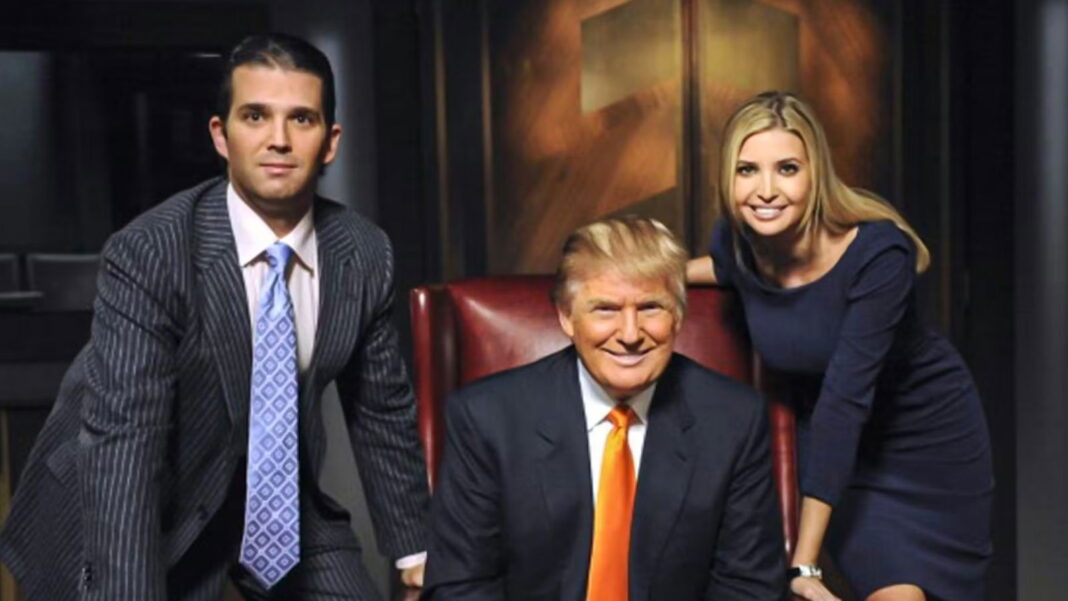


There was a time, not so long ago, when the boardroom was the ultimate stage for American ambition. We all remember the cadence: the sharp suits, the high-stakes tension, and that iconic, finger-pointing dismissal that reverberated through living rooms across the country. For over a decade, The Apprentice wasn’t just a reality show; it was a cultural phenomenon that blurred the lines between corporate ladder-climbing and pure, unadulterated entertainment. Now, as the dust settles on Amazon’s massive acquisition of MGM, the whispers of a potential resurrection have been echoing through the industry. But as we peel back the curtain on these rumors, we find that the reality of a reboot is far more complicated—and perhaps less imminent—than the headlines suggest.
The Echoes of a Boardroom Empire
To understand why we’re even talking about a reboot, we have to look back at the sheer gravity of the original series. Created by Mark Burnett in 2004, The Apprentice transformed the business world into a gladiator arena. It was the era of the “you’re fired” catchphrase, a cultural touchstone that turned Donald Trump into a household name long before his transition into the political sphere. When Amazon finalized its deal to acquire MGM, they didn’t just purchase a library of films; they inherited a massive intellectual property vault that included this very franchise.
For a streaming giant like Amazon, the temptation is clear. In an age where nostalgia is a currency as valuable as gold, reviving a brand with such high name recognition feels like a logical play. However, owning the rights to a legacy show is a far cry from successfully breathing new life into it. The landscape of reality television has shifted dramatically since the show’s peak, and the challenge for any studio isn’t just about recreating the format—it’s about finding a way to make the boardroom feel relevant to an audience that has seen the genre evolve into something far more nuanced and, at times, more cynical.
Amazon’s Stance: Separating Fact from Speculation
So, where do we actually stand? If you’ve been scrolling through social media, you might have been led to believe that the cameras are already rolling and the boardroom is being repainted. But let’s ground ourselves in the facts. Jenn Levy, Amazon’s Head of Unscripted and Documentary Television, has been remarkably direct in clearing the air: the series is currently not in active development. Despite the internet’s appetite for a dramatic return, the reality is that the project remains firmly on the shelf.
The confusion likely stems from the frantic energy that follows a corporate merger of this scale. When Amazon absorbed MGM, internal teams were tasked with evaluating every asset in the portfolio. Sources close to the situation suggest that talks regarding The Apprentice were never more than early-stage discussions—the kind of “what if” brainstorming that happens in high-level conference rooms when a company is trying to figure out how to best utilize its new, massive catalog. It was a preliminary exploration, not a greenlit production, and there is a world of difference between a casual internal conversation and a show heading into pre-production.
The Question of the Host
Perhaps the most sensational element of the rumor mill has been the speculation surrounding the potential host. For weeks, reports suggested that Amazon executives were eyeing Donald Trump Jr. to step into the role, effectively passing the torch to the next generation. It’s the kind of narrative that writes itself—a direct lineage of the brand that defined the original run. Yet, the story loses some of its luster when you look at the perspective of the man himself. Donald Trump Jr. has publicly stated that he only learned about the possibility of him hosting the show through the very media reports that were circulating at the time.
This disconnect between the rumors and the reality highlights the strange, echo-chamber nature of modern entertainment news. We are so eager to see the return of these larger-than-life figures that we often mistake internal corporate “what-ifs” for set-in-stone plans. While the idea of a reboot continues to fascinate, it’s worth noting that the brand’s history is tied inextricably to its original host, and any attempt to pivot—whether with a new face or a new format—would be a monumental creative gamble that Amazon seems, for the moment, entirely uninterested in taking. For more on this topic, see: What Nintendo’s New President’s First .
The Anatomy of a Modern Business Arena
If we strip away the glitz of the original production, we are left with a fundamental question: what does “business” look like in the streaming era? When The Apprentice first aired, the concept of a high-stakes interview process felt like a window into an elite, inaccessible world. Today, the power dynamics of the workplace have undergone a seismic shift. The traditional corporate ladder, once the singular focus of the show’s challenges, has been replaced by the gig economy, remote collaboration, and the rise of the creator economy.
For Amazon, the decision to hold back on a reboot isn’t just a matter of logistics; it’s a recognition that the “boardroom” is no longer a static, mahogany-paneled room. To capture a modern audience, a reboot would need to pivot away from the aggressive, top-down hierarchy that defined the early 2000s and toward something that reflects the collaborative, tech-driven reality of today’s entrepreneurs. The following table illustrates the shift in how we perceive professional competition:
| Feature | 2004 Reality TV Style | Modern Professional Landscape |
|---|---|---|
| Core Philosophy | Individual dominance | Scalable collaboration |
| Environment | Physical office/boardroom | Digital-first/Distributed teams |
| Success Metric | Profit margins | Impact and community engagement |
Navigating the Legacy of Intellectual Property
The hesitation surrounding this project also speaks to the heavy burden of legacy content. When a studio inherits a brand as polarized as The Apprentice, they aren’t just acquiring a format; they are inheriting a complex cultural footprint. Amazon’s leadership, specifically figures like Jenn Levy, must weigh the brand equity against the risk of alienating a diverse, global subscriber base. The internal, preliminary discussions—which reportedly touched upon the idea of involving Donald Trump Jr.—highlight the volatility inherent in such a project. It is a classic case of balancing the “nostalgia factor” against the need for brand neutrality in a streaming market that prizes broad appeal. For more on this topic, see: What George R. R. Martin’s .
For those interested in the formal history of the studio that brought this show to life, you can explore the archives of the production house at the What Ubisoft’s cryptic tweet revealed .
The “you’re fired” moment, while iconic, feels like a relic of a bygone corporate philosophy. The modern viewer is arguably more interested in the “how” of business—the grueling, often unglamorous process of innovation—than the “who” of the boardroom. Whether or not Amazon chooses to dust off the format, the conversation itself serves as a fascinating mirror, reflecting our own changing relationship with ambition, authority, and the very nature of work itself.
Ultimately, the story of The Apprentice reboot is a reminder that in the world of media, not every ghost needs to be brought back to life. Sometimes, the most powerful thing a studio can do is listen to the silence. While we might miss the drama of the boardroom, we are currently living in an era where the real stories of ambition are being written by everyday people in basements, coffee shops, and home offices across the globe. Perhaps that is where the next great business show is waiting to be found—not in the echoes of a boardroom, but in the messy, authentic, and evolving reality of our own working lives.