
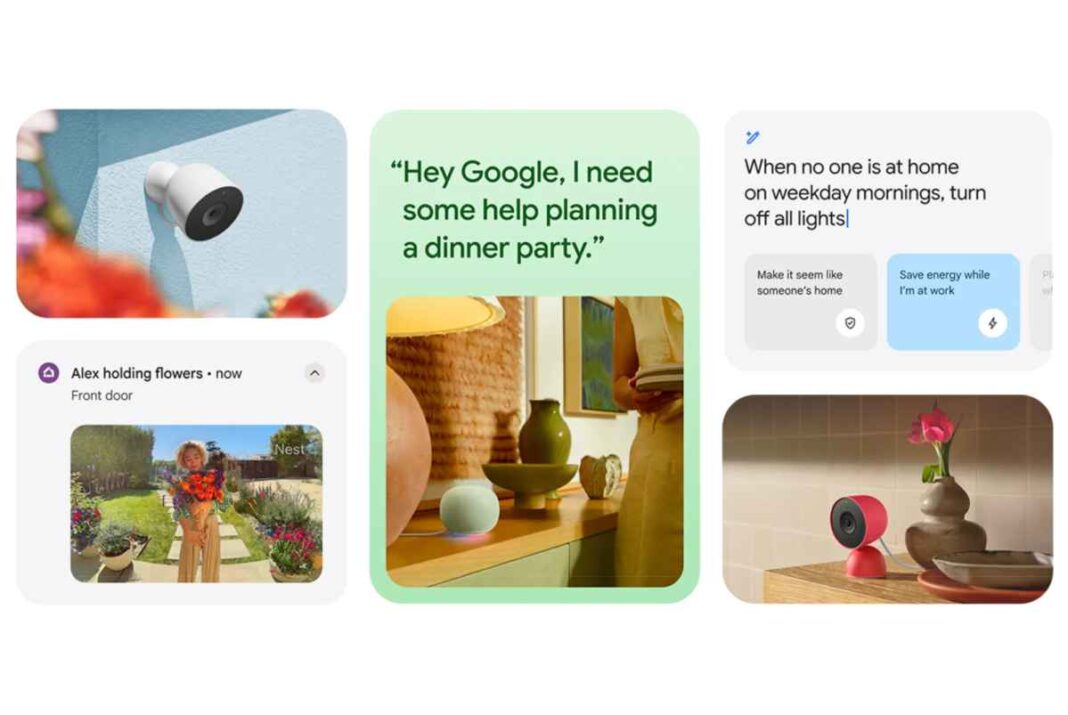


If you’ve been feeling like your smart home setup has been stuck in a bit of a digital time capsule, I have some news that is going to make your living room feel like it just got a major software glow-up. We’ve been living in the era of the classic “Hey Google” for what feels like a lifetime, but the winds of change are blowing through the tech world, and they’re powered by Gemini. Google is officially pulling the curtain back on a massive, global expansion of their AI-powered home experience, and honestly? It’s about time we moved past basic weather reports and kitchen timers.
The Global Takeover: Gemini Goes International
For months, those of us watching the smart home space have been waiting for the “Gemini for Home” rollout to hit its stride, and the wait is finally over. Google is aggressively scaling up its availability across the UK, France, Japan, Australia, and New Zealand. If you’ve been itching to see what the hype is about outside of the US, your time has arrived. It’s not just a slow, cautious beta test anymore; the company is actively clearing the early access queue on a daily basis. If you’re willing to opt-in via the Google Home app, you’re basically getting a fast pass to the front of the line.
What’s particularly fascinating—and dare I say, refreshing—is the speed at which this is happening. While the initial announcement back in April felt like a distant promise, the last two weeks have seen a frantic, exciting pace of deployment. Google isn’t just flipping a switch and walking away, either. They’re layering in performance enhancements, specifically targeting system speed. We’ve all dealt with that awkward, multi-second pause after asking a smart speaker a question, and it sounds like Google is finally addressing that latency head-on. It’s a bold move to modernize the ecosystem, and frankly, it’s the kind of polish the smart home market has been starving for.
Hardware Revival: The Return of the Smart Speaker
Here is where things get truly juicy for the gadget lovers among us. For a few years there, it felt like the smart speaker market had hit a plateau, with third-party manufacturers largely retreating into the shadows. But the “Gemini era” is apparently acting as a catalyst for a full-blown hardware renaissance. We are seeing a complete pivot away from the old-school Google Assistant branding, with a new focus on Gemini-powered voice assistance that promises to be more conversational, intuitive, and—dare I hope—actually helpful.
Perhaps the most unexpected twist in this saga is the revival of first-party hardware. Google is reportedly prepping a brand-new Google Home Speaker, marking their first real entry into this category in years. It’s a clear signal that Google isn’t just looking to update software; they’re looking to redefine the physical footprint of the smart home. But they aren’t going at it alone. The ecosystem is seeing a comeback from third-party players, and the most notable name popping up on the radar is Walmart. For more on this topic, see: What Google’s Sneaky Icon Size .
A new “Onn Smart Speaker” has officially surfaced on a CSA product listing, and it is everything we expected from this shift. We’re talking integrated Gemini voice controls, Bluetooth and Google Cast streaming capabilities, and—crucially for those of us who get a little paranoid about privacy—physical hardware controls like a dedicated microphone switch. It’s a stylish, functional, and very modern approach to a device category that many thought was becoming obsolete. By centering these devices around Gemini’s capabilities rather than just the legacy assistant, these companies are essentially betting that we want our speakers to be smarter, not just louder. For more on this topic, see: Google Play System Update Just . For more on this topic, see: Google Gemini Just Seized Control .
Hardware Revival: The New Age of Smart Speakers
If you thought the smart speaker market had hit a plateau, think again. For years, it felt like we were just buying the same puck-shaped devices with slightly different fabric covers. But the shift to Gemini is acting as a catalyst for a hardware renaissance. We aren’t just seeing software updates; we are witnessing a genuine hardware revival that prioritizes the “Gemini-first” philosophy.
Most excitingly, Google is finally breaking its hardware silence with the upcoming Google Home Speaker. This marks the first major release in this category in years, signaling that the company is ready to treat its home ecosystem as a premium, evolving product rather than a legacy project. But the real surprise? The resurgence of third-party manufacturers. Remember when your options for smart speakers were essentially limited to Google’s own lineup? That drought is ending. We’ve already spotted a new Onn Smart Speaker from Walmart appearing on official Connectivity Standards Alliance (CSA) listings, proving that external brands are ready to jump back into the fray now that the intelligence behind the device has been supercharged.
| Feature | Legacy Google Assistant | Gemini-Powered Devices |
|---|---|---|
| Core Logic | Rule-based commands | Large Language Model (LLM) |
| Hardware Focus | Basic voice relay | Advanced local processing |
| Privacy | Standard encryption | Enhanced local control/mic switches |
Privacy and Control in the Gemini Era
With great AI power comes the inevitable question of privacy. As these devices become more conversational and capable, the “always-listening” anxiety naturally spikes. However, the hardware shift toward Gemini seems to be taking user agency seriously. The aforementioned Onn speaker, for instance, isn’t just about voice commands; it highlights physical hardware controls, including a dedicated microphone switch. This is a crucial design choice for the modern home.
By moving toward a model where Gemini handles more complex requests, Google is also leaning into the Google Product Philosophy, which emphasizes user control and transparency. It’s not just about what the AI can do for you, but how much of your data it needs to do it. As we transition away from the “Assistant” branding, we’re seeing a focus on more localized interactions. This is a massive win for those of us who want a smarter home without feeling like we’re compromising our digital footprint. It’s a sophisticated balance, and it’s one that the industry desperately needed to strike to maintain consumer trust.
The Verdict: Why This Matters for Your Living Room
So, where does this leave us? We are watching the transition from “smart” speakers—which were essentially glorified remote controls—to “intelligent” companions that actually understand context. The global rollout is just the opening act. The real show will be how these devices integrate into our daily routines, moving from setting timers to genuinely managing the complexities of our schedules and home environments.
For those of us who have been covering tech for years, this feels like the first time the smart home has actually lived up to the promise of the “futuristic home” we were sold a decade ago. We aren’t just shouting commands into the void anymore; we’re engaging with a system that learns, adapts, and—most importantly—is finally getting the hardware support it deserves. Whether you’re a power user with a house full of sensors or someone who just wants a better way to manage their morning routine, the Gemini integration is the upgrade we’ve all been waiting for. The smart home just got a whole lot smarter, and honestly? I’m here for it.
For more information on the standards shaping these devices, you can explore the work done by the Connectivity Standards Alliance or review the latest updates on Google’s official product pages.