
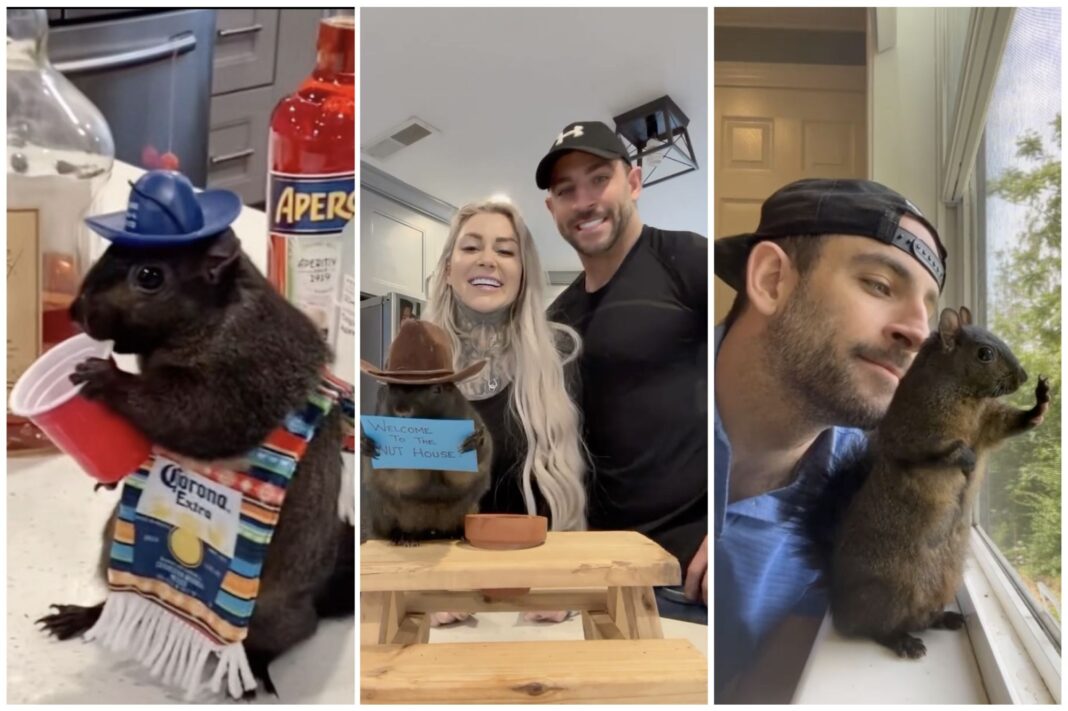


If you thought the influencer economy had peaked with skincare lines and overpriced hydration drinks, think again. We are currently living in a timeline where a squirrel-whispering content creator has just upended the App Store hierarchy, and honestly? I’m here for it. In a display of digital dominance that has left tech giants scratching their heads, a new tool called DualShot Recorder rocketed to the number one spot on the App Store’s top paid charts in a mere 12 hours. It’s not a game, it’s not a filter, and it’s certainly not a crypto-scam. It’s a utility tool born from the most unexpected of places: the backyard of an LA-based creator who spends his days filming local wildlife.
From Backyard Squirrels to App Store Royalty
The mastermind behind this viral sensation is Derrick Downey Jr., a name you might recognize if your social media algorithm has ever fed you the wholesome, high-definition antics of the squirrels he cares for in Los Angeles. With over a million followers across both Instagram and TikTok, Downey has built a brand on being the guy who treats his backyard rodents like A-list celebrities. But while his content is undeniably charming, the technical process behind it was becoming a logistical nightmare. It turns out that capturing the perfect moment when a squirrel decides to pose for the camera isn’t just about patience—it’s about having the right gear.
Downey realized that the modern creator’s dilemma—the constant tug-of-war between vertical video for TikTok/Reels and horizontal footage for YouTube—was a massive drain on his time and creative energy. Most of us are used to filming one way and cropping the other, which inevitably leads to that dreaded loss of quality or the frustration of missing the action entirely. Instead of relying on cumbersome, expensive multi-camera rigs that would likely scare off his furry subjects, Downey decided to do something a little more ambitious: he built his own solution.
The Technical Pivot: Solving the Creator’s Bottleneck
The genius of DualShot Recorder lies in its simplicity. It solves the exact pain point that every mid-to-large-tier creator faces today: the need for simultaneous capture. By allowing users to record in both orientations at once without sacrificing resolution or resorting to messy post-production cropping, Downey has effectively handed creators a “cheat code” for their content pipelines. It’s the kind of lean, functional software that proves you don’t need a massive Silicon Valley R&D budget to disrupt an industry; you just need to be annoyed enough by a problem to fix it yourself.
It’s fascinating to watch the shift in how influencers are monetizing their platforms. We’ve moved past the era of just hawking vitamins or fast fashion. Now, we’re seeing creators leverage their massive, built-in audiences to launch SaaS (Software as a Service) products that actually serve the creator community. Downey’s success isn’t just a fluke of his follower count; it’s a testament to the fact that his audience—and the creator community at large—is hungry for tools that respect their time. When you have a million people watching your every move, the barrier to entry for a new product launch is significantly lower, but the pressure to deliver something that actually works is sky-high.
The meteoric rise of the app in just 12 hours suggests that the appetite for creator-centric tools is far from satisfied. While many developers spend thousands on user acquisition, Downey utilized his existing platform to demonstrate the app in real-time. Watching him use the tool to film his squirrels while simultaneously explaining the app’s utility is a masterclass in organic marketing. It’s transparent, it’s authentic, and it’s clearly working. But as the app gains traction beyond his immediate circle of followers, the real test begins: can a niche tool built for a squirrel enthusiast survive the scrutiny of the broader professional video market?
The Technical Pivot: Why Creators Are Ditching Traditional Gear
What makes DualShot Recorder such a disruptor isn’t just the squirrel-themed origin story; it’s the democratization of high-end production. For years, the barrier to entry for “professional” looking content was a mountain of equipment—gimbals, secondary monitors, and redundant camera bodies. By allowing users to tap into the dual-camera capabilities of modern smartphones, Downey has effectively turned a standard mobile device into a broadcast-ready rig.
The genius here is in the simplicity. Most creators are terrified of the post-production workflow. Editing vertical clips for TikTok while simultaneously trying to salvage a horizontal cut for YouTube is a recipe for burnout. By automating the capture process, Downey isn’t just selling an app; he’s selling back time. The tech community often overlooks the “creator workflow” as a viable market, focusing instead on enterprise solutions or gaming, but the numbers don’t lie. When you solve a genuine pain point for a demographic that creates the majority of the internet’s traffic, you don’t need a massive marketing budget—you just need a loyal community.
| Feature | Traditional Multi-Cam Setup | DualShot Recorder |
|---|---|---|
| Equipment Cost | $2,000 – $5,000+ | App Store Price |
| Setup Time | 15–30 Minutes | Instant |
| Portability | Heavy/Bulky | Pocket-sized |
| Post-Production | Complex Syncing | Native File Management |
The “Influencer-as-Entrepreneur” Paradigm Shift
We are witnessing a fascinating evolution in the influencer economy. We’ve moved past the era where creators are merely the faces of other people’s products. Today, if you have the audience, you have the data—and with that data comes the ability to identify market gaps that traditional corporations are too slow to see. Derrick Downey Jr. didn’t conduct a multi-million dollar focus group; he listened to his own frustrations and realized that if he needed this tool, the millions of other creators struggling with the same aspect-ratio dilemma needed it too. For more on this topic, see: What Ubisoft’s cryptic tweet revealed .
This is a masterclass in niche-to-mass appeal. While the app was born from the specific, quirky need to film squirrels, the utility is universal. Whether you’re a food blogger, a travel vlogger, or a fitness coach, the “DualShot” method is becoming the gold standard for cross-platform content strategy. It’s a reminder that authenticity—even when it involves rodents—is the most valuable currency in the digital age. For more information on the evolving landscape of mobile software, you can explore the Apple App Store official guidelines or research the history of mobile computing through the Smithsonian Institution’s digital archives.
What This Means for the Future of Tech
If there’s one takeaway from this wild 12-hour ride to the top of the charts, it’s that the “big tech” monopoly on utility software is cracking. We are entering an age where the most successful tools won’t be those designed in sterile boardrooms, but those crafted in the trenches of content creation. The DualShot Recorder success story is a wake-up call to software developers everywhere: stop building for the hypothetical user and start building for the actual creator. For more on this topic, see: Breaking: BlackRock Chief Demands Radical .
As for Downey, he’s proven that you don’t need a Silicon Valley pedigree to disrupt an industry. You just need a clear vision, a dedicated following, and perhaps a few squirrels willing to act as your unofficial quality assurance team. As we look ahead, I suspect we’ll see more creators pivoting from “influencers” to “founders.” The line between the two has never been thinner, and frankly, I can’t wait to see who follows in his footsteps. For those interested in the broader impact of digital tools on modern media, the Library of Congress offers extensive resources on the history of communication technology and its societal shifts. For more on this topic, see: What Nintendo’s New President’s First .
The squirrel-whisperer has officially become the app-store disruptor. Whether this is a fleeting moment of viral fame or the start of a legitimate software empire remains to be seen, but one thing is certain: the next big thing in tech isn’t coming from a skyscraper—it’s coming from a backyard near you. Keep your cameras rolling, folks; the landscape is changing, and it’s never been more interesting.