
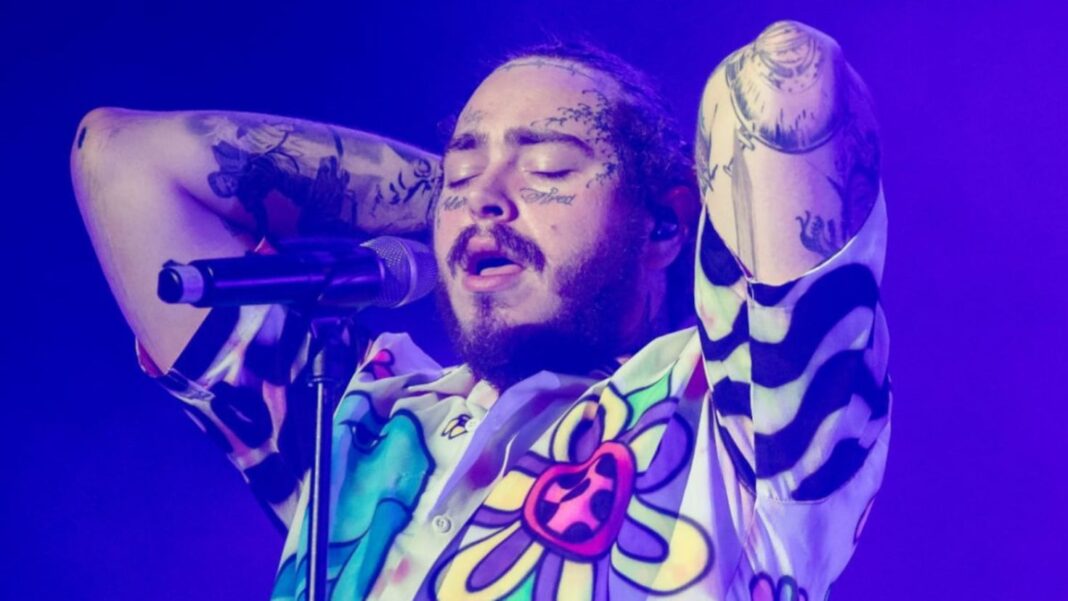


If there is one thing we know about Post Malone, it’s that he’s the industry’s resident “nice guy”—the kind of artist who would probably offer you a cold beer and a genuine smile even if you caught him on his worst day. That’s exactly why the sudden, jarring cancellation of five massive stadium dates on his Twelve Carat Tour sent shockwaves through the fandom and left ticket holders scrambling. When Posty pulls the plug, you know it isn’t because he’s caught up in some diva-tier ego trip or a case of “touring fatigue” that a quick nap could fix. Something was clearly brewing beneath the surface, and the music world—myself included—has been dissecting every detail since the news broke.
The Anatomy of a Last-Minute Pivot
When the announcement first hit the wire, the official line was pinned on “breathing problems” and “stabbing pain” that the singer experienced after his high-octane performances. For those of us who have seen Post live, we know he leaves every ounce of his energy on that stage. He’s not just standing behind a mic; he’s jumping, sweating, and engaging in a level of physical exertion that would leave a marathon runner winded. It wasn’t just a “bad day at the office”—it was a physical manifestation of a schedule that had pushed him to the absolute brink.
But let’s look at the context here: this was a high-stakes arena tour in the middle of a massive album cycle. When an artist of Post’s caliber cancels, it’s a logistical nightmare that costs millions, affects thousands of fans, and disrupts a carefully choreographed machine of roadies, light techs, and opening acts. He took to social media, looking visibly shaken and apologetic, to explain that he’d been hospitalized. In an era where artists often hide behind PR-sanitized statements, Post’s raw, unfiltered video felt like a necessary wake-up call about the physical toll of modern stardom.
The “Posty” Paradox: Balancing the Grind with Health
There’s a specific kind of pressure that comes with being Post Malone. He’s a genre-bender, a collaborator who can jump from a Country pivot to a Hip-Hop anthem without breaking a sweat, and he’s become the go-to guy for every major feature in the industry. But that level of demand creates a “Posty Paradox”—the more he gives to his fans, the more the industry expects him to keep the treadmill moving. We’ve seen other artists burn out, but Post has always projected an image of effortless cool, which makes it even more jarring when the facade cracks.
The reality is that these stadium tours are grueling, high-altitude endurance tests. Between the travel, the time zone shifts, and the sheer volume of vocal strain, it’s a miracle anyone makes it through a full tour without a breakdown. While some critics might point to the lifestyle often associated with rock-star touring, the truth is likely much more mundane—and much more concerning. It’s the cumulative effect of a non-stop schedule that doesn’t account for the human body’s need for actual, sustained recovery. When he canceled those shows, he wasn’t just walking away from a paycheck; he was making the rare, difficult choice to prioritize his longevity over the immediate demands of the machine.
This situation sparked a massive conversation in the industry about the “touring culture” that has exploded post-pandemic. We’ve seen a wave of cancellations from everyone from Justin Bieber to Shawn Mendes, signaling that the post-COVID touring boom might be hitting a wall. Fans are starting to realize that these stadium spectacles, while incredible to witness, come at a human cost that we’ve ignored for far too long. Post Malone’s decision to pull the plug wasn’t just about his own health; it was a symptom of a larger, systemic issue where the industry is finally being forced to reckon with the limits of its biggest stars.
But the story doesn’t end with a hospital bed and a press release. The aftermath of these cancellations revealed a lot about the loyalty of his fanbase and the internal machinery that keeps a superstar like Posty afloat during a crisis. As we look at the fallout, we have to ask: what happens when the music stops, and how does this change the way he approaches the stage in the future?
The “Posty” Paradox: Balancing the Grind with Health
The reality of the modern pop star experience is often obscured by the veneer of high-production visuals and flawless live streams. We consume the output—the chart-topping singles, the viral TikTok moments, and the high-energy stadium anthems—without ever seeing the machine that keeps the engine running. Post Malone, however, has always operated with a level of transparency that feels increasingly rare. His brand of “everyman” stardom is built on a foundation of relatability, but that very trait makes these cancellations feel more personal to the fans.
When we talk about the “Posty Paradox,” we’re talking about the tension between the artist’s genuine desire to connect and the undeniable physical limitations of the human body. He isn’t a pre-recorded track; he’s a human being who has been touring relentlessly for years. The physical demands of a stadium-level production—where the artist is expected to maintain peak vocal performance while navigating massive stages for two hours a night—are grueling. For someone like Post, who prides himself on high-intensity interactions with the crowd, the “grind” isn’t just about singing songs; it’s about sustaining a level of emotional and physical output that is fundamentally unsustainable long-term. For more on this topic, see: What Nintendo’s New President’s First .
The Financial and Logistical Ripple Effect
It’s easy to focus on the disappointment of a missing concert, but the ripple effect of a five-show cancellation is a masterclass in industry complexity. When an artist of this magnitude hits the pause button, the logistical fallout is immediate and expensive. From the perspective of tour management, a sudden stop means thousands of hotel rooms, freight costs for massive lighting rigs, and the livelihoods of hundreds of crew members who rely on the tour’s momentum.
To understand the sheer scale of what goes into these decisions, consider the following breakdown of the components affected by a sudden tour disruption:
| Component | Impact of Cancellation |
|---|---|
| Production Assets | Staging, pyrotechnics, and LED arrays must be rerouted or stored. |
| Personnel | Roadies, techs, and security face sudden gaps in employment. |
| Ticketing | Complex refund processes and secondary market complications. |
| Logistics | Transportation of equipment across state lines and international borders. |
This isn’t just about a star taking a break; it’s about a massive corporate entity recalibrating in real-time. Post’s decision to prioritize his health over the bottom line is a bold move in an industry that traditionally incentivizes “powering through” at any cost. By stepping back, he is effectively setting a boundary that challenges the toxic narrative of the “invincible” performer. For more on this topic, see: What George R. R. Martin’s .
The Future of Touring: A Necessary Evolution?
Are we witnessing a shift in how major artists view their touring schedules? For a long time, the model was simple: release an album, tour for 18 months, burn out, repeat. But as the mental and physical health of performers becomes a more central conversation, we are seeing a shift toward more sustainable touring cadences. Post Malone’s choice to prioritize his recovery is likely a signal of things to come. The industry is realizing that a burnt-out artist is a liability, not just to themselves, but to the entire ecosystem built around them.
If we look at the official health standards regarding performance and vocal strain, it’s clear that the industry has historically ignored the science of recovery. For those interested in the medical realities of vocal and physical exhaustion in professional performers, the What Ubisoft’s cryptic tweet revealed .
Ultimately, the decision to cancel those five shows wasn’t a sign of weakness—it was a sign of maturity. Post Malone has transitioned from the “party guy” image into a seasoned veteran who understands that his career is a marathon, not a sprint. The fans who were initially disappointed are now, by and large, the ones championing his decision to put his health first. In a world where the spotlight can be blinding, Posty has reminded us that even the biggest stars need to breathe. And honestly? That’s the most authentic thing he could have done.